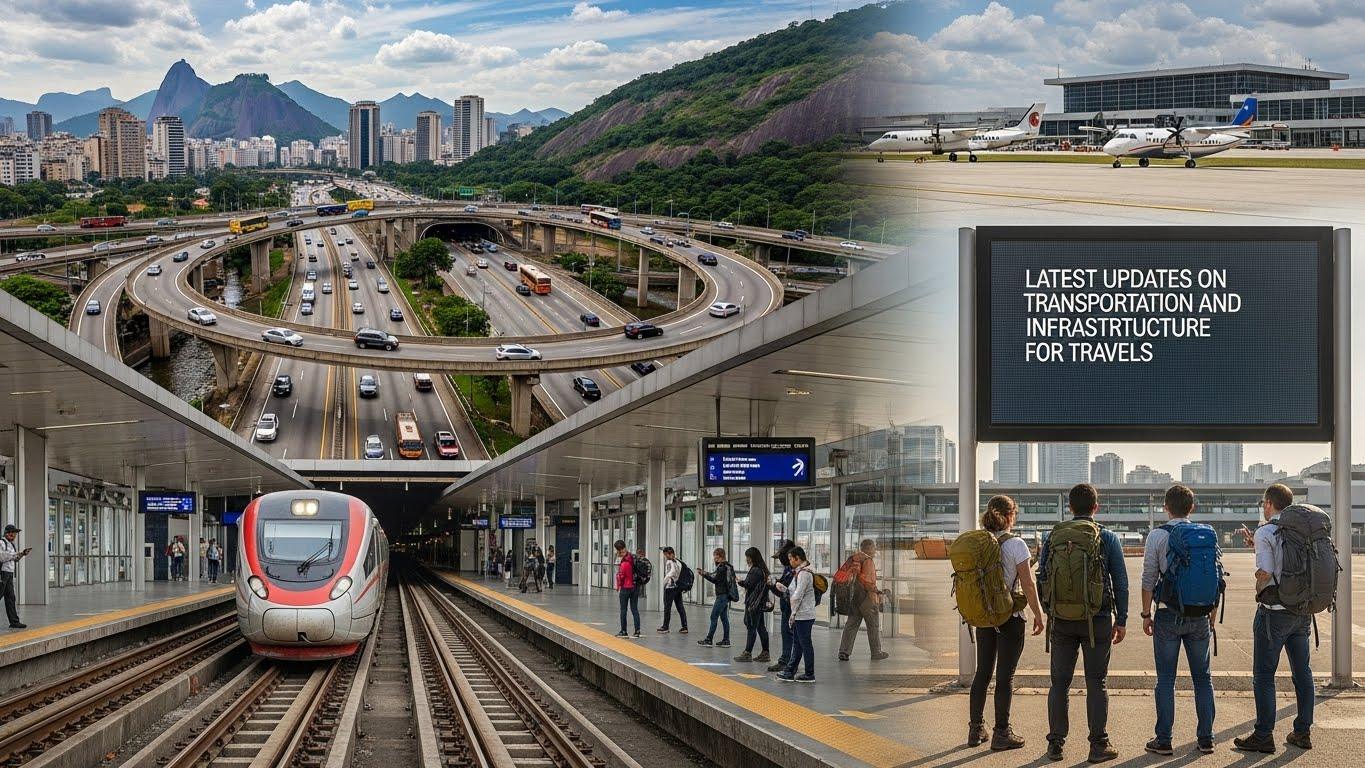
In the evolving landscape of brazil Travel Brazil, policy makers have signaled a pivot toward open, tourism-friendly borders by granting visa-free entry to eight more countries. The move, framed as a driver for business travel and cultural exchange, arrives as Brazil seeks to diversify its tourism ecosystem beyond sun-and-sand stereotypes. For travelers, hoteliers, and small operators, the policy promises easier access, but it also raises questions about capacity, border processing, and how to balance openness with security. This analysis examines the likely effects on Brazil’s travel economy, the potential ripple effects across neighboring markets, and the practical implications for people and businesses on the ground.
Regional Shifts and Their Ripple Effects
The decision to broaden visa-free access is not happening in a vacuum. It sits at the intersection of Brazil’s regional diplomacy, aviation capacity, and the competitiveness of Latin American destinations. When more nationalities can enter Brazil without a visa, the country positions itself more aggressively as a multi-entry hub for South American and Caribbean itineraries, as well as longer transcontinental trips that loop through Brazilian gateways. For travel agencies and tour operators, this could translate into more complex, multi-country packages—arrangements that pair Brazilian experiences with neighboring nations’ attractions, from gastronomy to ecotourism. Yet regional rivals—countries in the same corridor that have already leaned into streamlined entry—may respond with targeted promotions or expanded visa-flexibility for specific markets. The result could be a cycle of policy tweaks across the region, each aiming to capture a greater slice of cross-border travel. In this context, Brazil’s move is a bet on connectivity as a growth strategy, not merely a hospitality push.
Economic Impacts on Domestic Tourism
The macroeconomic logic is straightforward: lower friction at the border tends to lift tourist arrivals, length of stay, and tourist spend. A broader visa-free regime can catalyze revenue for hotels, restaurants, and attractions, particularly in urban gateways and popular coastal destinations. But the payoff depends on a suite of complementary factors: flight availability, visa processing in practice (including e-visas or on-arrival options where relevant), and the capacity of tourism infrastructure to absorb larger volumes without a decline in service quality. Local stakeholders—municipal tourism boards, small businesses, and community-run attractions—will need data-driven planning to align capacity with demand. If managed well, a modest uplift in inbound travel could generate cascading benefits: more seasonal jobs, higher occupancy rates during shoulder periods, and greater exposure for lesser-known sites that diversify Brazil’s tourism map. If mismanaged, increased footfall could strain resources, compress service standards, and alienate visitors who seek reliable experiences. The policy’s success will hinge on implementation, not intention alone.
From Policy to Practice: Travelers and Local Businesses
For travelers, the headline benefit is clearer access: fewer bureaucratic steps to reach Brazil, more straightforward itineraries, and the potential for longer, multi-destination trips. In practice, travelers should still verify eligibility, check passport validity windows, and understand any country-specific entry requirements that accompany visa-free status, such as proof of onward travel or travel insurance. For Brazilian-based hospitality and travel operators, the trend is a call to sharpen product-market fit. Marketing should emphasize seamless entry, safe experiences, and reliable transport links, while operators invest in multilingual staff, clear itineraries, and robust cancellation policies to build trust in a more fluid travel corridor. Airports and border posts will also play a critical role; minor delays or inconsistent procedures could erode the benefits of visa-free travel if not addressed through staffing, digital processing, and clearer signage. In essence, policy becomes practice only when the experience at the border and in-country aligns with traveler expectations.
Future Scenarios: Risks and Opportunities
Analysts frame several plausible trajectories for Brazil’s visa-free expansion. A baseline scenario might yield a measured uptick in arrivals from the eight countries, translating into incremental tourism revenue and modest job gains. An optimistic scenario envisions a larger multiplier effect as itineraries cross borders and feed adjacent sectors—airlines expanding routes, regional tours intensifying, and urban centers extending beyond traditional districts. A downside scenario contends with capacity bottlenecks: overstretched airports, overwhelmed hospitality supply, or uneven service quality that harms reputation. Policymakers can influence outcomes by pairing visa policy with investments in data analytics, border infrastructure, and targeted marketing for underrepresented destinations. The critical theme across scenarios is that visa-free access is only as effective as the ecosystem surrounding it: flights, accommodations, safety standards, and market information must travel in tandem with policy.
Actionable Takeaways
- Travelers: Confirm visa-free eligibility for Brazil, ensure passport validity beyond your intended stay, and plan multi-city itineraries that leverage both coastal and inland destinations.
- Travel businesses: Align marketing with the new policy by highlighting ease of entry, stay durations, and safety commitments; diversify offerings to include multi-country itineraries that exploit regional connectivity.
- Airport and border authorities: Invest in digital processing, clear signage, and multilingual staff to minimize wait times and improve border experience.
- Local governments and hoteliers: Prepare capacity buffers—training, staffing, and inventory management—to handle seasonal surges without compromising quality.
- Policymakers: Pair visa-policy changes with infrastructure and data-sharing investments to monitor flows, security, and economic impact in near real-time.