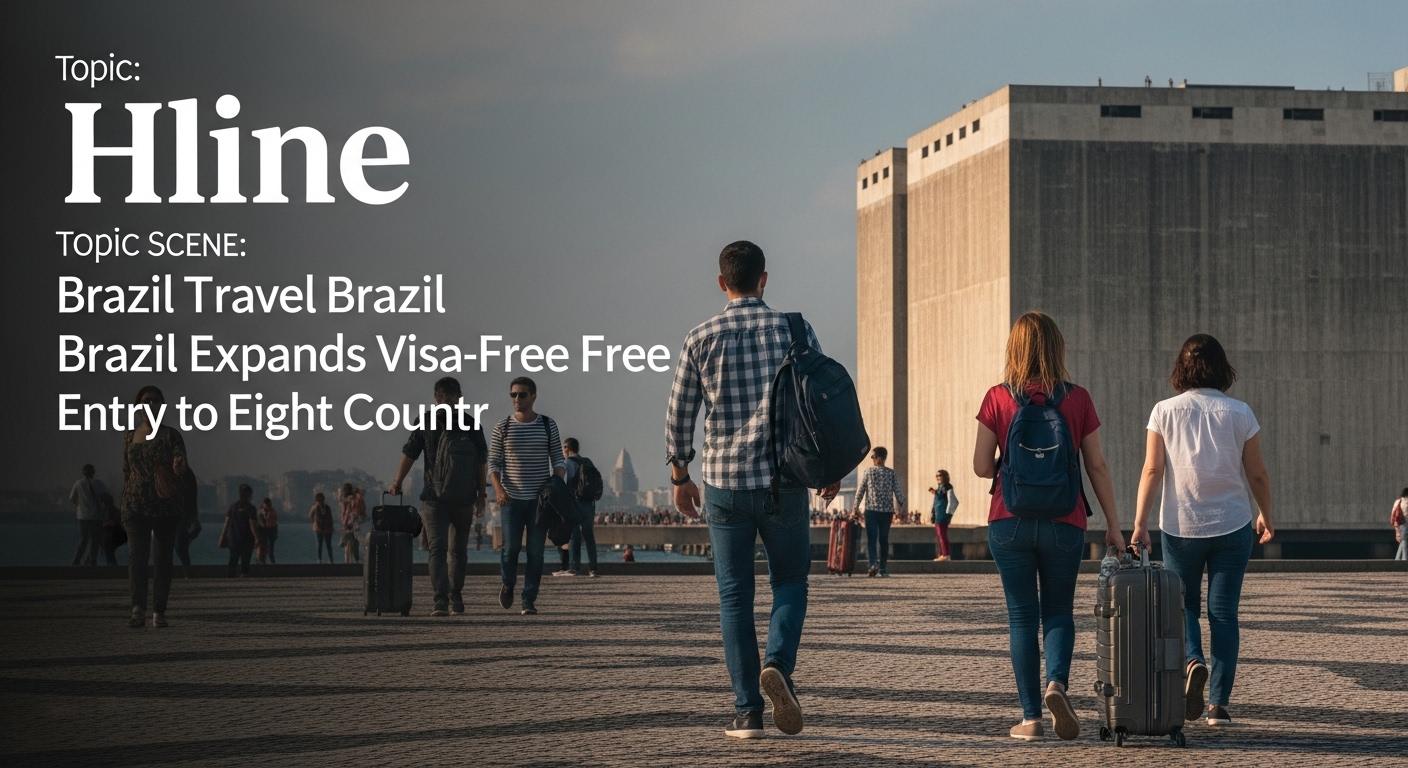
In a bold move to buoy its tourism economy, brazil Travel Brazil signals a broader shift in how the country positions itself to the world. By expanding visa-free entry to eight countries, Brasilia aims to shorten travel friction, spark business ties, and help regional travel chains weather currency swings and inflation. The policy is more than a headline: it reframes travel planning, airline schedules, and how local communities gauge the value of visitors in 2026 and beyond. This analysis examines the policy in context, the likely ripple effects, and practical steps for travelers and the industry to adapt.
Context and Policy Frame
Brazil’s latest visa liberalization is part of a longer trend in which governments seek to unlock the economic potential of cross-border mobility. The eight new visa-free destinations, reported in trade and tourism press, span regions and market profiles that Brazil has considered strategically important for tourism and trade. While the exact list may evolve, the core logic is clear: move from control burdens to corridor-building that reduces costs for visitors and increases opportunities for Brazilian airlines, tour operators, and hospitality networks. Observers note that coverage of the move sometimes highlights Caribbean and European destinations and even cases like Jamaica among the beneficiaries, signaling a deliberate attempt to diversify inbound and outbound flows. From a policy perspective, the shift aligns with broader regional competition to attract visitors who will spend more, stay longer, and return with business deals in hand.
Economic and Travel Industry Impacts
Analysts expect several cascading effects. For travelers, the simplification of entry rules lowers the upfront cost of trip planning and increases the odds of spontaneous itineraries that weave Brazil into a multi-country voyage. For airlines, airports, and gateway cities, the change translates into more seats, longer lines at check-in windows, and new scheduling pressure to coordinate cross-border connections. Travel agencies and tour operators may adjust product mixes to emphasize multi-destination packages, while domestic tourism could see spillover benefits as visitors extend stays to visit multiple destinations included in their travel window. The policy also interacts with macroeconomic volatility: in times of currency fluctuation, easier access can amplify demand in a way that currency hedging and pricing strategies must accommodate. The resulting dynamic could tilt market share toward carriers with robust regional networks and flexible fare structures, while smaller operators may need to partner or consolidate to maintain scale.
Practical Guidance for Travelers and Agencies
For Brazilian travelers, the practical takeaway is to remain vigilant about policy details and to plan with updated official guidance. Even when visa-free access is extended, travelers must ensure passport validity, be mindful of the duration of stay allowed, and confirm whether visa-free entry applies to passport pages or specific traveler categories (tourists, business visitors, students, etc.). Agencies should align marketing with current rules, build flexibility into itineraries, and educate clients about potential changes. For travel professionals, it is prudent to monitor carrier capacity, availability of multi-destination tickets, and the evolving bilateral conditions that can influence travel confidence. The shift may also create opportunities for regional tourism corridors—where a traveler can combine visits to Brazil with one or more of the eight visa-free destinations—yet this requires careful itinerary design to avoid misinterpretation of entry rules or overstaying.
Policy Risks and Global Context
Any visa policy expansion carries risk: governments can recalibrate or reverse terms if security concerns, fiscal pressures, or diplomatic frictions arise. In a wider context, the move comes as countries in the Americas, Europe, and Asia recalibrate how open borders should balance security, revenue, and visitor experience. A robust set of risk factors includes bureaucratic friction at the point of entry, parity between national policy statements and on-the-ground enforcement, and the need for infrastructure to absorb higher arrival volumes without degrading service. In short, the policy is a bet on sustained growth, careful operational management, and the resilience of regional travel ecosystems to shocks—whether currency swings, health considerations, or geopolitical tensions. Travelers and operators should plan with contingency in mind, including alternate routes, return policies, and a cautious assessment of peak travel periods.
Actionable Takeaways
- Verify current visa-free eligibility for your nationality through official government portals before booking any international leg.
- Ask carriers and travel providers about multi-destination options that leverage visa-free routes while maintaining clear entry requirements.
- In planning trips, consider multi-city itineraries that connect Brazil with one or more visa-free destinations to maximize value and flexibility.
- Monitor policy updates and border enforcement guidance, because rules can change with little advanced notice.
- For agencies, build flexible product offerings and transparent terms to reduce consumer risk in a shifting policy environment.
Source Context: