Brazil‘s Food and Wine Festivals: Must-Visit Events for Culinary Travelers in 2022
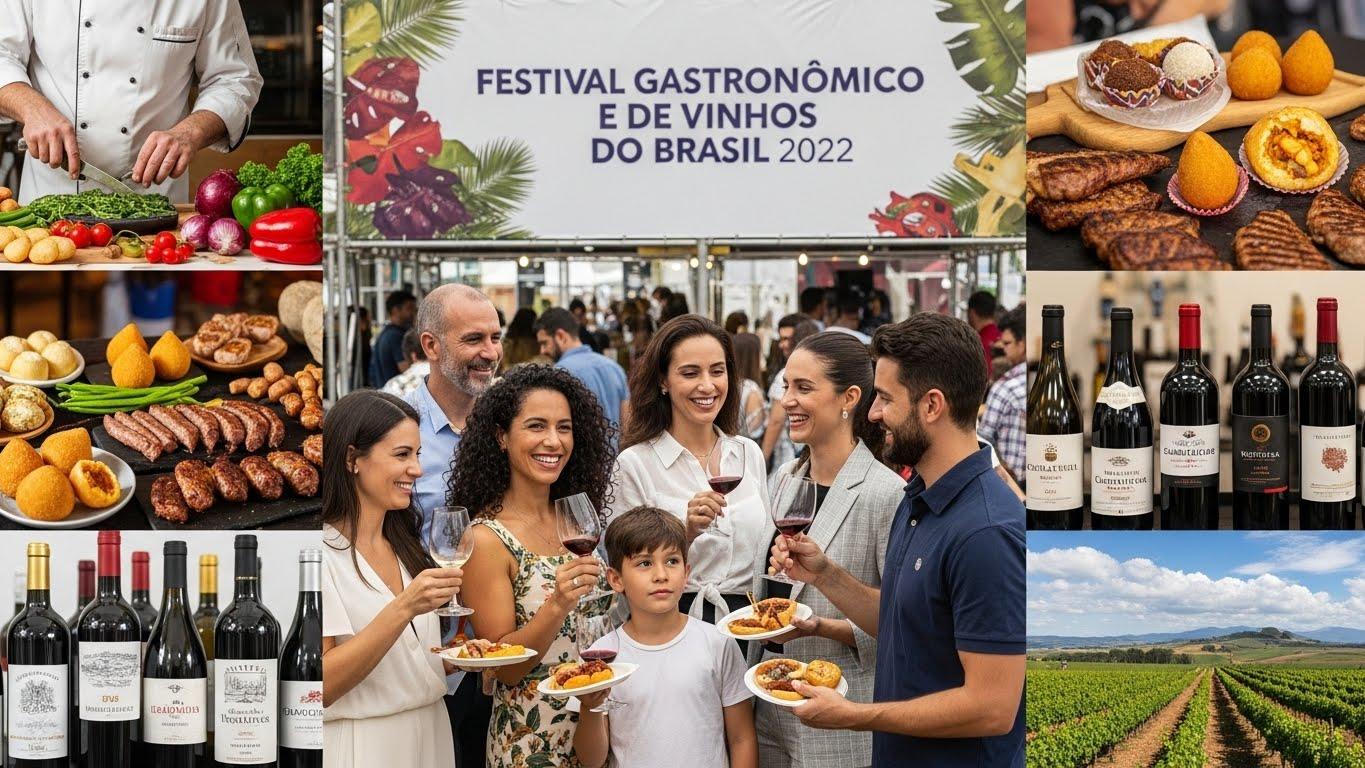
Brazil, a country known for its vibrant culture and rich culinary heritage, offers a plethora of food and wine festivals that attract travelers from around the globe. In 2022, culinary enthusiasts can immerse themselves in the diverse flavors of Brazilian cuisine, discover local ingredients, and enjoy world-class wines. From the bustling streets of São Paulo to the verdant vineyards of Rio Grande do Sul, Brazil’s food and wine festivals provide a feast for the senses. In this blog post, we explore some of the must-visit events for culinary travelers looking to experience Brazil’s gastronomic wonders.
Why Visit Brazil’s Food and Wine Festivals?
Food and wine festivals in Brazil offer a unique opportunity to experience the country’s diverse culinary landscape. These events showcase a blend of traditional Brazilian dishes and contemporary culinary innovations. Travelers have the chance to engage with local chefs, learn about regional specialties, and taste the country’s finest wines. Additionally, these festivals provide a platform for cultural exchange, allowing visitors to connect with locals and fellow food enthusiasts.
For those intrigued by Brazilian cuisine, attending these festivals is more than just a gastronomic adventure; it is an exploration of the country’s history, culture, and traditions. From the zesty flavors of Bahia to the smoky churrasco of the South, each festival offers a unique taste of Brazil’s culinary diversity.
Top Food and Wine Festivals in Brazil for 2022
Festa do Peão de Barretos
Held annually in August, the Festa do Peão de Barretos is one of Brazil’s largest and most famous rodeo festivals. While primarily known for its rodeo events, the festival also features a wide array of food stalls showcasing traditional Brazilian fare. Visitors can indulge in dishes such as feijoada, a hearty black bean stew, and pamonha, a sweet corn cake wrapped in corn husks. The festival is a celebration of Brazilian cowboy culture and offers a unique culinary experience.

Rio Gastronomia
Taking place in the vibrant city of Rio de Janeiro, Rio Gastronomia is a must-visit for food lovers. This culinary extravaganza features cooking demonstrations, workshops, and tastings from some of the city’s top chefs. Attendees can explore a variety of cuisines, including traditional Brazilian dishes and international delicacies. The event also hosts a bustling food market where visitors can purchase local ingredients and artisanal products. With its stunning backdrop of Rio’s beaches and mountains, Rio Gastronomia is an unforgettable experience for any culinary traveler.
Festival de Cultura e Gastronomia de Tiradentes
Set in the historic town of Tiradentes, the Festival de Cultura e Gastronomia de Tiradentes is a celebration of Brazilian culture and gastronomy. This charming festival takes place over two weeks in August and features a diverse lineup of culinary events. Visitors can attend cooking classes, wine tastings, and food pairings, all set against the backdrop of Tiradentes’ colonial architecture. The festival emphasizes sustainability and the use of local ingredients, making it an excellent opportunity to explore Brazil’s culinary heritage.
Festa Nacional do Vinho
The Festa Nacional do Vinho, or Fenavinho, is a premier wine festival held in Bento Gonçalves, the heart of Brazil’s wine country. The event, typically held in June, celebrates the region’s rich viticultural history and offers a comprehensive wine-tasting experience. Attendees can sample a wide range of Brazilian wines, including the renowned sparkling wines of the Serra Gaúcha region. The festival also features traditional Italian food, music, and dance, reflecting the area’s Italian heritage. For wine enthusiasts, Fenavinho is an essential stop on their Brazilian culinary journey.
Festival de Pinga de Paraty
For those interested in Brazil’s traditional spirits, the Festival de Pinga de Paraty is a must-visit. Hosted in the picturesque coastal town of Paraty, this festival celebrates cachaça, a Brazilian spirit made from fermented sugarcane juice. The event includes tastings from local distilleries, cocktail workshops, and live music. Visitors can learn about the history and production of cachaça while enjoying Paraty’s beautiful colonial architecture and stunning beaches.
Planning Your Visit to Brazil’s Food and Wine Festivals
When planning a trip to Brazil’s food and wine festivals, it’s important to consider the timing and location of each event. Most festivals take place during Brazil’s dry season, from May to September, offering pleasant weather for outdoor activities. Travelers should book accommodations and transportation well in advance, as these events often attract large crowds.
In addition to attending the festivals, visitors should explore the surrounding regions to fully appreciate Brazil’s culinary diversity. From the Amazon rainforest to the bustling metropolises, each area offers unique food experiences and local specialties. It’s also advisable to familiarize oneself with Brazilian customs and dining etiquette, ensuring a respectful and enjoyable experience.
Takeaways
Brazil’s food and wine festivals are a celebration of the country’s rich culinary heritage and cultural diversity. For culinary travelers, these events offer an unparalleled opportunity to explore Brazil’s flavors, meet talented chefs, and enjoy world-class wines. Whether savoring traditional dishes at the Festa do Peão de Barretos or sampling fine wines at Fenavinho, visitors are sure to create lasting memories. As you plan your travels for 2022, be sure to include these remarkable festivals in your itinerary and experience the vibrant culinary scene that Brazil has to offer.
Tips for Enjoying Brazil’s Culinary Festivals
To make the most of your experience at Brazil’s food and wine festivals, consider the following tips:
- Stay Hydrated: With the excitement of trying various dishes and drinks, it’s easy to forget to drink water. Staying hydrated is essential, especially when attending outdoor events in Brazil’s warm climate.
- Try Everything: Brazilian cuisine is diverse and full of unique flavors. Be adventurous and try dishes or ingredients you may not find elsewhere. This is an opportunity to expand your palate and discover new favorites.
- Engage with Locals: Take the time to converse with local chefs, vendors, and fellow attendees. Engaging with locals can provide valuable insights into Brazilian culture and enhance your overall experience.
- Plan Your Schedule: With numerous events happening simultaneously, it’s beneficial to plan which workshops, tastings, or performances you wish to attend. Check the festival schedule in advance to prioritize your must-see events.
- Respect Local Customs: Understanding Brazilian dining etiquette and festival norms will help ensure a respectful and enjoyable visit. For example, it is polite to say “obrigado” (thank you) when served.
The Impact of Food and Wine Festivals on Brazilian Tourism
Brazil’s food and wine festivals significantly contribute to the country’s tourism industry. These events draw international visitors, boosting local economies and providing employment opportunities. The festivals also promote regional products and cuisines, increasing their visibility on the global stage.
Furthermore, by showcasing Brazil’s diverse culinary offerings, these festivals help to break stereotypes and educate the world about the country’s rich gastronomic heritage. They foster cultural exchange and encourage travelers to explore lesser-known regions, thus diversifying tourism beyond Brazil’s iconic landmarks like Rio de Janeiro and the Amazon rainforest.
Looking Forward: The Future of Brazil’s Culinary Scene
As Brazil continues to gain recognition for its culinary excellence, the future of its food and wine festivals looks promising. Emerging chefs are blending traditional recipes with modern techniques, creating innovative dishes that honor Brazil’s culinary roots while appealing to contemporary tastes. The focus on sustainability and local sourcing is also likely to grow, reflecting global trends towards environmentally conscious dining.
With initiatives to support small producers and promote culinary tourism, Brazil is poised to become a leading destination for food enthusiasts worldwide. As these festivals evolve, they will continue to offer a platform for showcasing Brazil’s culinary creativity and diversity.
Final Thoughts
Attending Brazil’s food and wine festivals offers a unique opportunity to engage with the country’s vibrant culinary scene. These events are not just about tasting delicious food and drink; they are about connecting with a culture that values tradition, innovation, and community. Whether you’re a seasoned foodie or a curious traveler, these festivals promise an unforgettable experience that celebrates the very essence of Brazil.
As you plan your travels, consider the diverse array of festivals that Brazil has to offer, each with its own distinct flavors and cultural significance. From the bustling streets of Rio de Janeiro to the tranquil vineyards of Bento Gonçalves, Brazil’s food and wine festivals are a testament to the country’s rich culinary heritage and its bright, flavorful future.
Exploring Beyond the Festivals
While the festivals themselves are a highlight, exploring the local areas around these events can further enrich your culinary journey. Each region in Brazil offers its own unique attractions and culinary experiences that are worth exploring.
For instance, if you are attending the Festival de Cultura e Gastronomia de Tiradentes, take time to wander through the well-preserved colonial streets of Tiradentes. Enjoy the local artisanal shops and cafes, where you can taste regional sweets like doce de leite and paçoca, or visit nearby historical sites that speak to the town’s rich past.
Similarly, when visiting the Festa Nacional do Vinho in Bento Gonçalves, consider a scenic drive through the Vale dos Vinhedos, Brazil’s premier wine-producing region. The rolling hills and lush vineyards are a feast for the eyes, and many wineries offer tastings and tours where you can learn about the winemaking process from grape to glass.
Integrating Culinary Tourism with Cultural Experiences
Combining food and cultural experiences enriches your understanding of Brazil’s diverse heritage. Many festivals include cultural events such as traditional music and dance performances, art exhibits, and historical reenactments that provide deeper insights into the local way of life.
Take advantage of these opportunities to immerse yourself in Brazilian culture. For example, while attending Rio Gastronomia, you might catch a samba performance or capoeira demonstration, offering a vibrant glimpse into the country’s artistic traditions.
Furthermore, many festivals collaborate with local artisans and craftsmen to display traditional crafts. This not only supports local economies but also allows visitors to appreciate the intricate artistry that complements Brazil’s culinary prowess.
Supporting Local Communities Through Tourism
Another important aspect of attending Brazil’s food and wine festivals is the positive impact it can have on local communities. By choosing to participate in these events, travelers support small businesses, local farmers, and artisans who rely on tourism as a key source of income.
Many festivals incorporate community-driven initiatives, such as sourcing ingredients from nearby farms or collaborating with local artists for event programming. This focus on local involvement ensures that the benefits of tourism are felt throughout the community, fostering sustainable economic growth.
As a responsible traveler, consider purchasing local products, dining at family-run restaurants, and staying in locally-owned accommodations. These choices help ensure that tourism dollars contribute to the well-being and development of the regions you visit.
Embracing the Spirit of Brazilian Hospitality
Lastly, one of the most rewarding aspects of attending Brazil’s food and wine festivals is experiencing the warm hospitality that Brazilians are known for. Whether you’re sampling street food from a local vendor or attending a gourmet dinner hosted by a renowned chef, you’ll find that Brazilians are eager to share their culinary traditions and make you feel at home.
This hospitality extends beyond the festival grounds as locals often go out of their way to ensure you have a memorable experience. Don’t be surprised if you leave Brazil with not just a full stomach, but also new friendships and a deeper appreciation for the country’s rich cultural tapestry.
In conclusion, Brazil’s food and wine festivals are a magnificent reflection of the country’s diverse and dynamic culinary scene. As you explore these events, you’ll not only indulge in delicious flavors but also gain a profound understanding of Brazil’s cultural heritage and the spirit of its people. Whether you’re savoring a perfectly grilled churrasco or toasting with a glass of Brazilian sparkling wine, these festivals promise an experience that is as enriching as it is enjoyable.