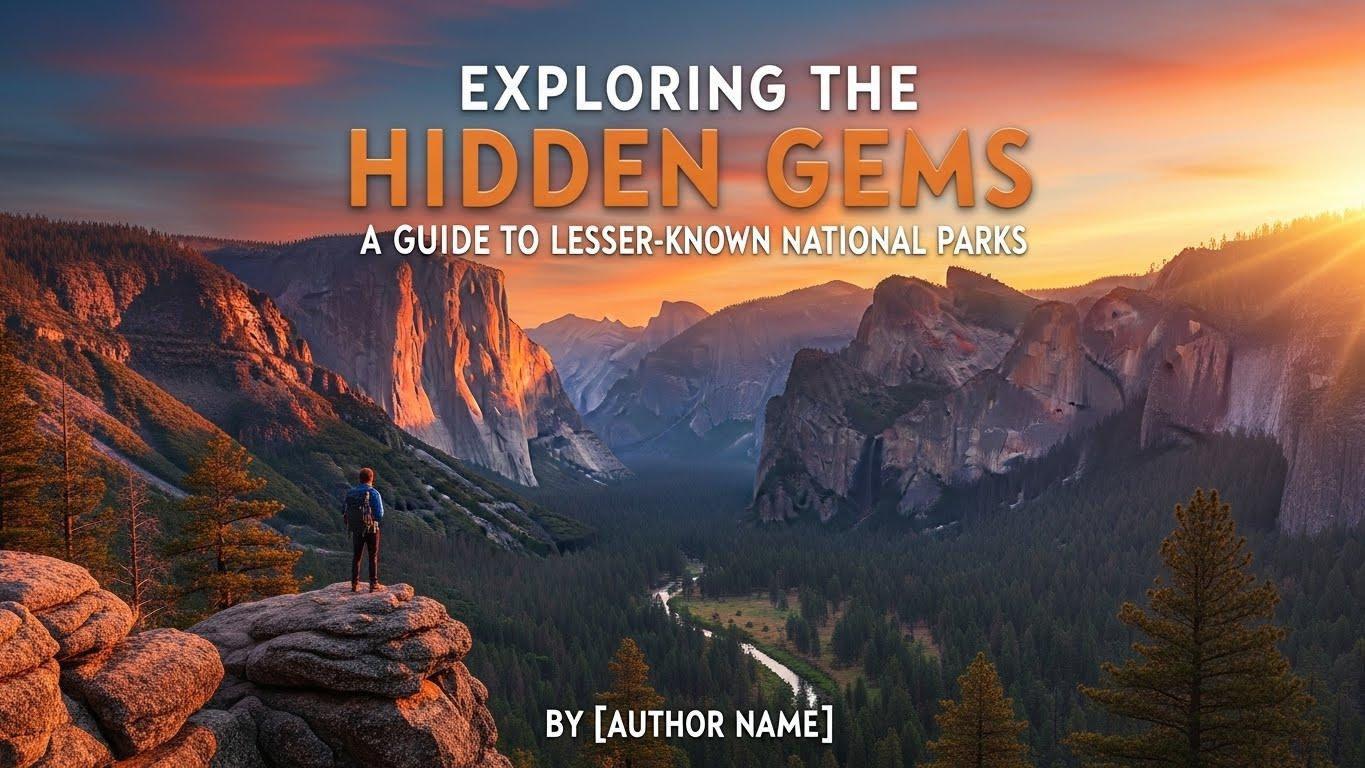
Exploring the Hidden Gems: A Guide to Lesser-Known National Parks
While the allure of well-trodden paths like Yellowstone and Yosemite draws millions of visitors each year, there exists a world of lesser-known national parks that offer equally captivating landscapes and experiences. For those who seek solitude, unique ecosystems, and the thrill of discovery, these hidden gems provide a perfect escape. In this comprehensive guide, we will explore some of these under-the-radar parks, their unique features, and why they deserve a spot on your travel bucket list.
The Appeal of Lesser-Known National Parks
Many travelers are turning their attention to lesser-known national parks for several compelling reasons. These parks often provide a more intimate connection with nature, free from the crowds that can overwhelm more famous parks. Additionally, they frequently offer unique landscapes and ecosystems that differ from the more popular destinations.
Visiting these parks supports conservation efforts and helps distribute tourism more evenly, reducing the environmental impact on heavily trafficked areas. This makes for a more sustainable travel experience and often reveals cultural and historical aspects that are not as prominently featured in well-known parks.
Discovering Hidden Treasures
North Cascades National Park, Washington
Nestled in the rugged wilderness of Washington State, North Cascades National Park is a haven for those craving adventure. Known for its jagged peaks, pristine alpine lakes, and lush forests, this park offers over 300 glaciers, more than any other park in the contiguous United States.

Visitors can explore a vast network of hiking trails, ranging from short nature walks to challenging backcountry routes. The park is also a hotspot for rock climbers and offers excellent opportunities for kayaking and fishing. The diverse ecosystems support a wide range of wildlife, including black bears, mountain goats, and the elusive lynx.
Great Basin National Park, Nevada
In the heart of Nevada lies Great Basin National Park, a landscape of contrasts featuring ancient bristlecone pines, limestone caves, and the towering Wheeler Peak. Known for its remarkable night skies, the park is an International Dark Sky Park, making it an ideal destination for stargazers.
Lehman Caves tours offer a fascinating glimpse into the park’s geological history, showcasing intricate formations like stalactites and stalagmites. For hiking enthusiasts, the trail to the summit of Wheeler Peak provides stunning views and a chance to experience diverse flora and fauna unique to the region.
Congaree National Park, South Carolina
Home to one of the largest intact expanses of old-growth bottomland hardwood forest in the southeastern United States, Congaree National Park offers a serene and biodiverse sanctuary. The park’s floodplain ecosystem supports a rich array of plant and animal life, including towering bald cypress trees and elusive river otters.
The park provides a variety of recreational activities, from hiking and birdwatching to kayaking along the Congaree River. The elevated boardwalk trail offers an accessible way to explore the forest and observe the unique swampy landscape.
Isle Royale National Park, Michigan
Set amidst the frigid waters of Lake Superior, Isle Royale National Park is a remote wilderness retreat. Accessible only by boat or seaplane, the park is a haven for solitude seekers and adventure enthusiasts alike.
Renowned for its moose and wolf populations, Isle Royale offers unparalleled opportunities for wildlife viewing. The island’s network of trails is perfect for hiking and backpacking, while the surrounding waters provide excellent fishing and kayaking experiences.
Why Visit Lesser-Known Parks?
The charm of lesser-known national parks lies in their ability to offer unique and personal experiences. Unlike the bustling environments of their more famous counterparts, these parks allow visitors to connect deeply with nature and enjoy the tranquility of their surroundings.
Moreover, these parks often serve as vital refuges for biodiversity, preserving rare ecosystems and endangered species. By visiting and supporting these parks, travelers can contribute to conservation efforts that protect these precious environments for future generations.
Planning Your Visit
When planning a trip to a lesser-known national park, it’s essential to do thorough research. Understand the park’s rules and regulations, especially regarding camping and backcountry access. Many of these parks have limited facilities, so visitors should come prepared with necessary supplies and gear.
Consider the best time of year to visit, as weather conditions can significantly impact the experience. Some parks, like Isle Royale, are only accessible during certain months due to harsh winter conditions.
Engaging with local communities and park rangers can enhance the experience, providing valuable insights and ensuring a respectful and enjoyable visit. By supporting local businesses and participating in guided tours, visitors can also contribute economically to the areas surrounding these parks.
Takeaways
Exploring the hidden gems of America’s national parks offers a rewarding journey filled with discovery and tranquility. These lesser-known parks provide a unique opportunity to experience untouched natural beauty, diverse ecosystems, and a sense of adventure away from the crowds.
As you plan your next nature escape, consider venturing off the beaten path to discover these remarkable destinations. Whether you’re seeking solitude, adventure, or a deeper connection with the natural world, the hidden treasures of America’s national parks await your exploration.
Embracing Adventure and Solitude
One of the most compelling aspects of visiting lesser-known national parks is the opportunity to embrace both adventure and solitude. These parks offer the thrill of exploration, often with fewer visitors, allowing for a more personal and immersive experience. Whether you’re an avid hiker, wildlife enthusiast, or simply seeking a peaceful retreat, these parks provide the perfect setting for rejuvenation and reflection.
For those who enjoy outdoor activities, these parks are a playground for adventure. From backcountry camping and mountain climbing to canoeing and wildlife photography, the opportunities for exploration are endless. The sense of solitude and serenity found in these parks can be a transformative experience, offering a chance to disconnect from the hustle and bustle of everyday life and reconnect with nature.
Conservation and Education
Lesser-known national parks play a crucial role in conservation and education. These parks often preserve unique ecosystems and serve as living laboratories for scientific research and environmental education. By visiting and supporting these parks, travelers can contribute to ongoing conservation efforts that aim to protect fragile habitats and endangered species.
Many parks offer educational programs and guided tours that provide insights into the park’s ecology, history, and cultural significance. Engaging with these programs can enhance your understanding of the natural world and inspire a deeper appreciation for the importance of preserving these special places.
Travel Tips for Visiting Lesser-Known National Parks
When planning a visit to a lesser-known national park, consider the following travel tips to ensure a safe and enjoyable experience:
- Research Thoroughly: Familiarize yourself with the park’s layout, trails, and facilities. Check for any alerts or closures that may affect your plans.
- Prepare Accordingly: Pack appropriate gear, including clothing, food, water, and navigation tools. Some parks may require permits for certain activities, so plan ahead.
- Respect Wildlife and Nature: Follow Leave No Trace principles to minimize your impact on the environment. Keep a safe distance from wildlife and avoid disturbing their natural habitats.
- Stay Informed: Weather conditions can change rapidly, especially in mountainous or remote areas. Stay informed about the forecast and be prepared for sudden changes.
- Engage with Park Staff: Rangers and park staff are valuable resources for information and assistance. Don’t hesitate to ask questions or seek guidance during your visit.
Reflecting on the Experience
After visiting a lesser-known national park, take time to reflect on the experience and its impact. Consider how the journey has influenced your perspective on nature, conservation, and outdoor recreation. Sharing your experiences and insights with others can inspire them to explore these hidden gems and support the preservation of these valuable natural resources.
Documenting your travels through photography, journaling, or blogging can also be a meaningful way to capture the memories and share the beauty of these parks with a wider audience. By spreading awareness and appreciation for lesser-known national parks, we can collectively contribute to their protection and preservation for future generations.
Final Thoughts
The allure of lesser-known national parks lies in their untouched landscapes, diverse ecosystems, and the sense of discovery they offer. As you seek out these hidden gems, remember that your visit contributes to the conservation and sustainability of these special places. By embracing the adventure and solitude they provide, you’ll not only enrich your own life but also play a role in preserving the natural wonders of our world.
So, pack your bags, lace up your hiking boots, and set out on a journey to explore the hidden treasures of America’s national parks. The experiences and memories you create along the way will be as unique and unforgettable as the parks themselves.