Green Therapy: The Mental Health Benefits of Spending Time in Nature and National Parks
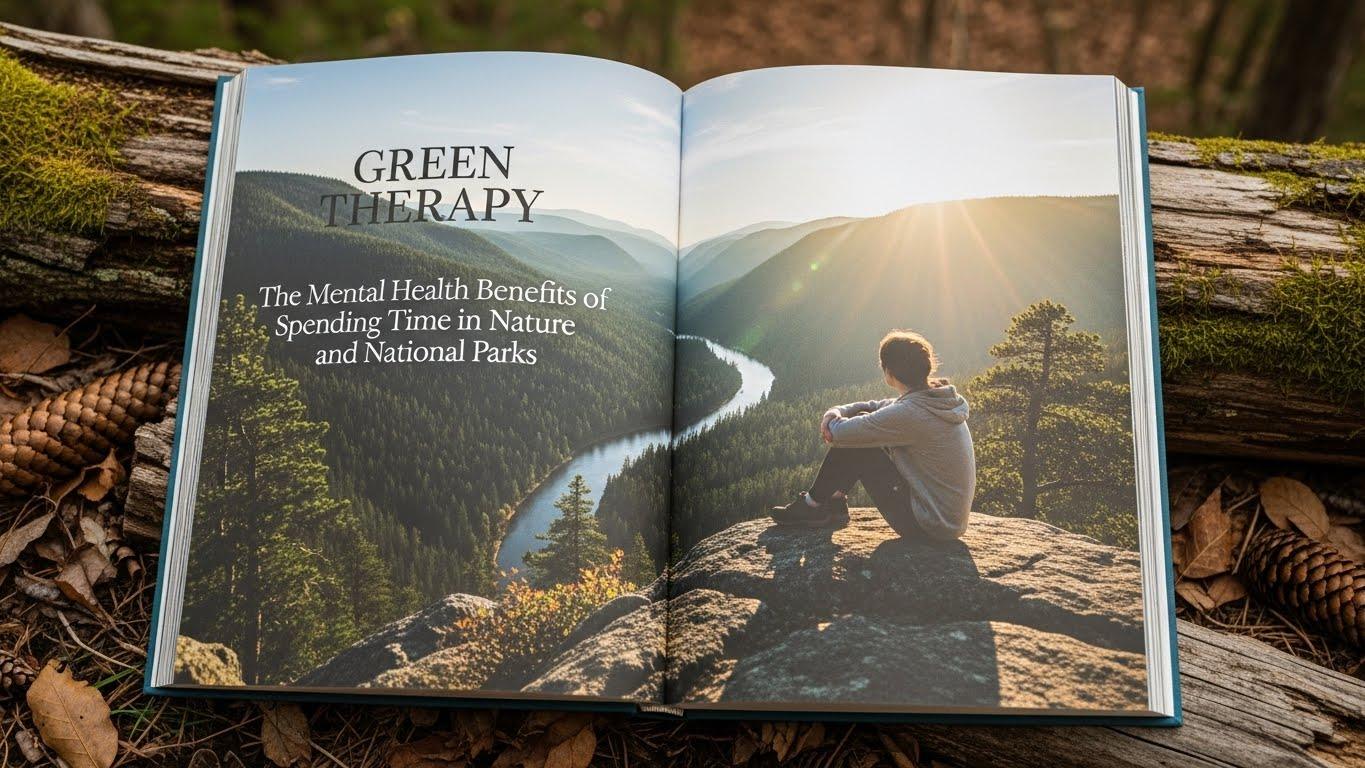
In our fast-paced, digitally-driven world, mental health has become a pressing issue. The stress of daily life, compounded by the constant barrage of information and technology, can take a toll on our well-being. However, there is a simple, age-old remedy that has been gaining renewed attention: green therapy. This form of therapy emphasizes the mental health benefits of spending time in nature, particularly in serene settings such as national parks. In this article, we will explore the numerous ways in which immersing oneself in the great outdoors can enhance mental health, reduce stress, and bring about a sense of peace and well-being.
The Concept of Green Therapy
Green therapy, also known as ecotherapy, is a therapeutic practice that involves nature-based activities to improve mental health. It can include a variety of activities such as gardening, walking in nature, or spending time in green spaces. The idea is that nature provides a calming and restorative environment that can help alleviate symptoms of anxiety, depression, and stress. The benefits of nature are well-documented, with numerous studies highlighting its positive effects on mental well-being.
The Science Behind Nature’s Healing Powers
Scientific research has shown that spending time in natural environments can lead to measurable improvements in mental health. A study published in the journal Scientific Reports found that spending at least 120 minutes a week in nature is associated with good health and well-being. This is because nature exposure reduces levels of cortisol, the stress hormone, and increases the release of serotonin, a neurotransmitter that contributes to feelings of happiness and relaxation.

Furthermore, being in nature can enhance cognitive function and creativity. A study by the University of Utah found that participants who spent four days in nature performed 50% better on creative problem-solving tasks. This is attributed to the reduction in mental fatigue when people disconnect from technology and immerse themselves in natural surroundings.
National Parks: A Sanctuary for the Mind
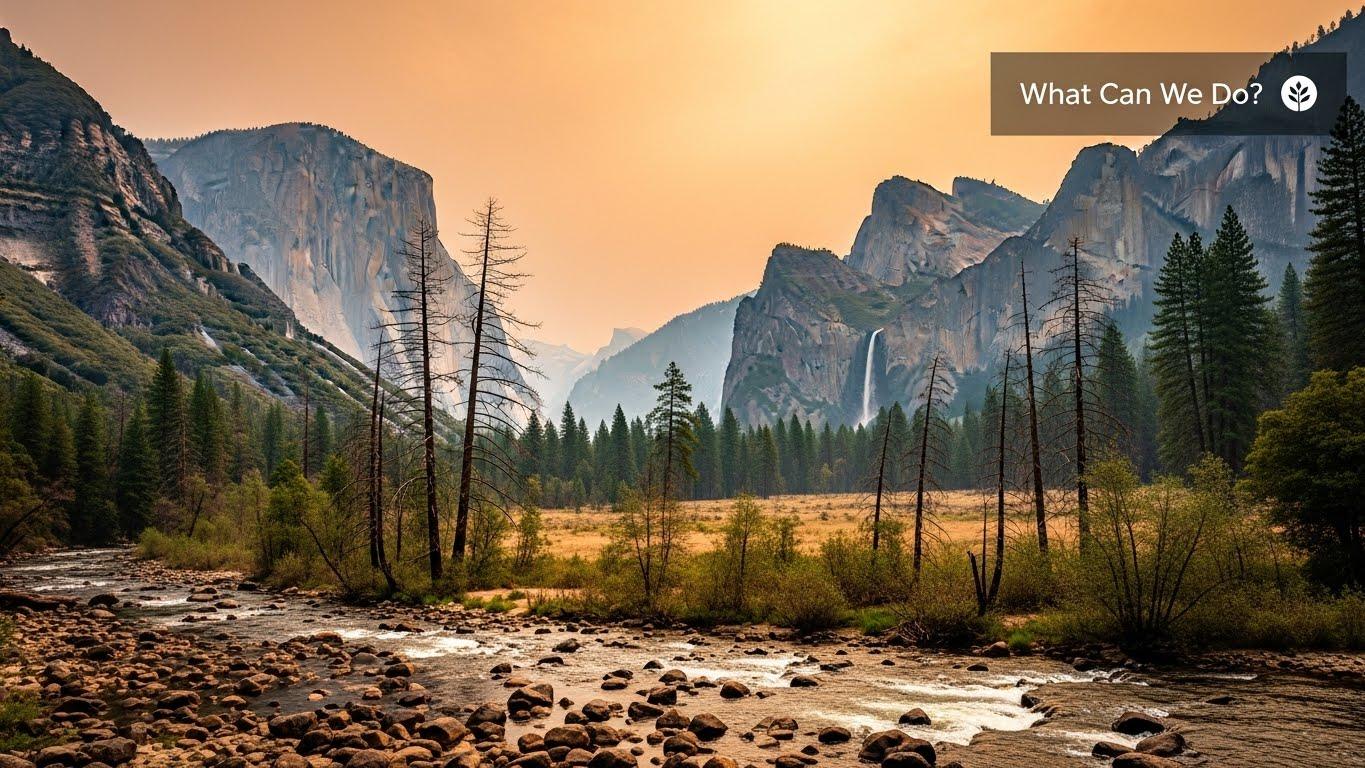
National parks offer some of the most pristine and awe-inspiring natural landscapes, making them ideal settings for green therapy. These protected areas not only preserve biodiversity but also provide a sanctuary for individuals seeking mental rejuvenation. For instance, the Yosemite National Park is renowned for its majestic waterfalls and towering granite cliffs. Visitors often describe a profound sense of wonder and tranquility, experiences that can significantly reduce stress and promote mental clarity.
Moreover, the vastness of national parks allows for solitude and reflection, which are essential components of mental healing. In the hustle and bustle of city life, finding a moment of peace can be challenging. However, national parks offer an escape, a place where the mind can wander freely, and the soul can find solace.
Activities in Nature for Mental Health
There are numerous activities one can engage in within national parks to enhance mental health. Hiking is one of the most popular activities and has been shown to improve mood and reduce symptoms of anxiety and depression. The physical exertion combined with the breathtaking views can be a powerful antidote to stress.
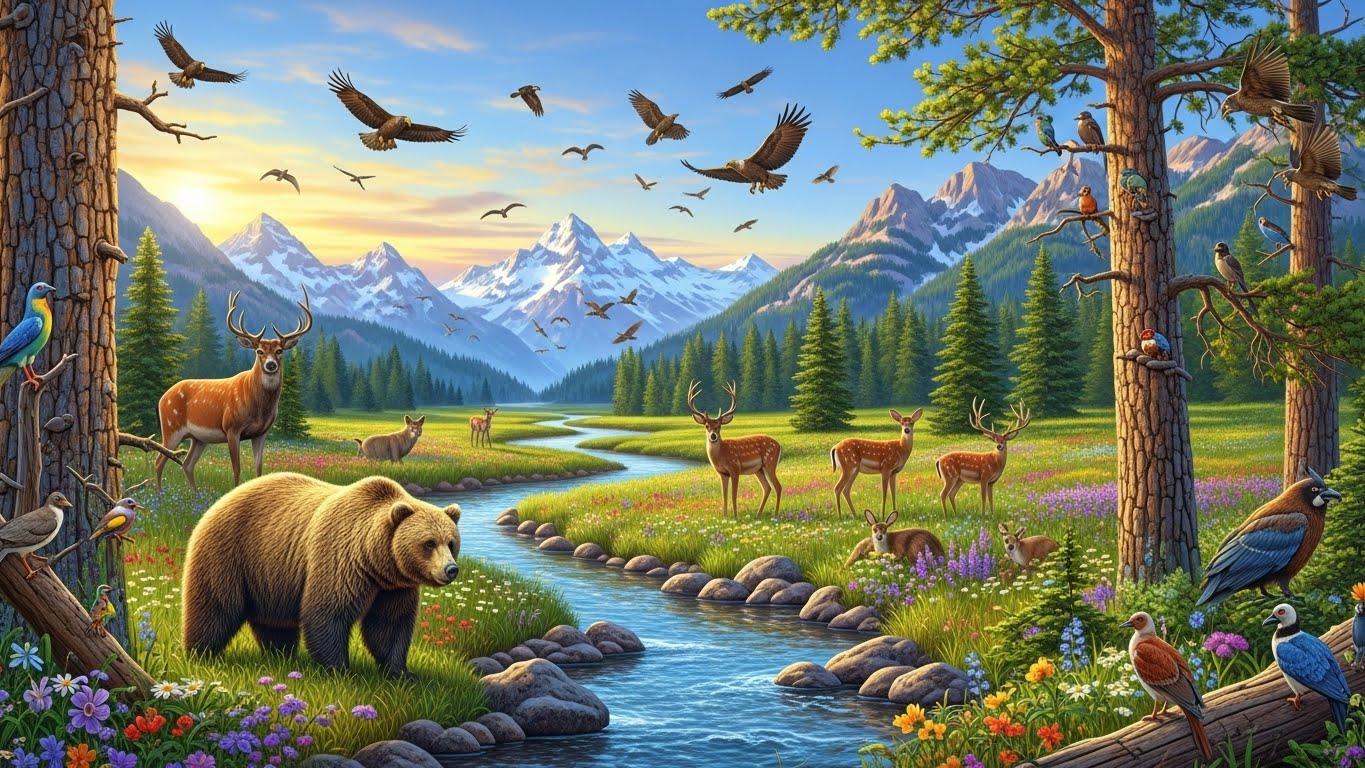
Another beneficial activity is birdwatching. This pastime requires patience and attention to detail, encouraging mindfulness and presence in the moment. Listening to the symphony of bird calls and observing their behavior can be both calming and invigorating. The healing power of birds is increasingly recognized as a form of therapy.
For those seeking a more meditative experience, practicing yoga or tai chi in a natural setting can be incredibly grounding. The combination of physical movement, controlled breathing, and a tranquil environment can enhance mental clarity and foster a deep sense of relaxation.
Community and Connection in Nature
Beyond individual benefits, spending time in nature can also strengthen social connections. Participating in group activities such as guided nature walks or volunteering for park conservation projects can foster a sense of community and belonging. These social interactions are essential for mental health, as they provide support, enhance mood, and reduce feelings of loneliness.
National parks often host events and programs that encourage community involvement and learning. For example, the Great Smoky Mountains National Park offers a variety of ranger-led programs that educate visitors about the park’s natural and cultural history. These interactive experiences not only promote learning but also create opportunities for meaningful human connections.
Conclusion: Embrace Nature for Mental Well-being
In conclusion, green therapy offers a natural and accessible way to enhance mental health. The mental health benefits of spending time in nature and national parks are profound, from reducing stress and anxiety to improving mood and cognitive function. By embracing nature, individuals can find balance, tranquility, and a renewed sense of well-being. As we navigate the complexities of modern life, let us not forget the healing power of the great outdoors. Whether it’s a walk in a local park or a visit to a national park, immersing ourselves in nature can be a transformative experience for the mind and soul.
Incorporating regular doses of nature into our lives is not just a luxury but a necessity for mental health. So, the next time you feel overwhelmed, consider stepping outside and letting nature work its magic. Your mind and body will thank you.
Practical Tips for Incorporating Green Therapy into Daily Life
While visiting national parks can be a transformative experience, not everyone has immediate access to these vast natural landscapes. However, there are practical ways to incorporate the principles of green therapy into daily life, no matter where you are.
Create a Green Space at Home
One way to bring nature into your everyday life is by creating a green space at home. Start by adding indoor plants to your living space. Plants such as peace lilies, spider plants, and succulents are not only easy to care for but also improve air quality and create a calming atmosphere. Consider setting up a small garden, even if it’s just a few pots on a windowsill or balcony. Engaging in gardening activities can be therapeutic and rewarding, providing a sense of accomplishment and connection to nature.
Take Regular Nature Breaks
If you work in an urban environment, make it a point to take regular breaks and seek out nearby green spaces. Whether it’s a city park, community garden, or a tree-lined street, stepping away from the confines of your workspace and immersing yourself in nature can help reduce stress and improve focus. These nature breaks don’t have to be long; even a short walk can have significant mental health benefits. The key is consistency and making it a habit to connect with nature regularly.
Practice Mindfulness in Nature
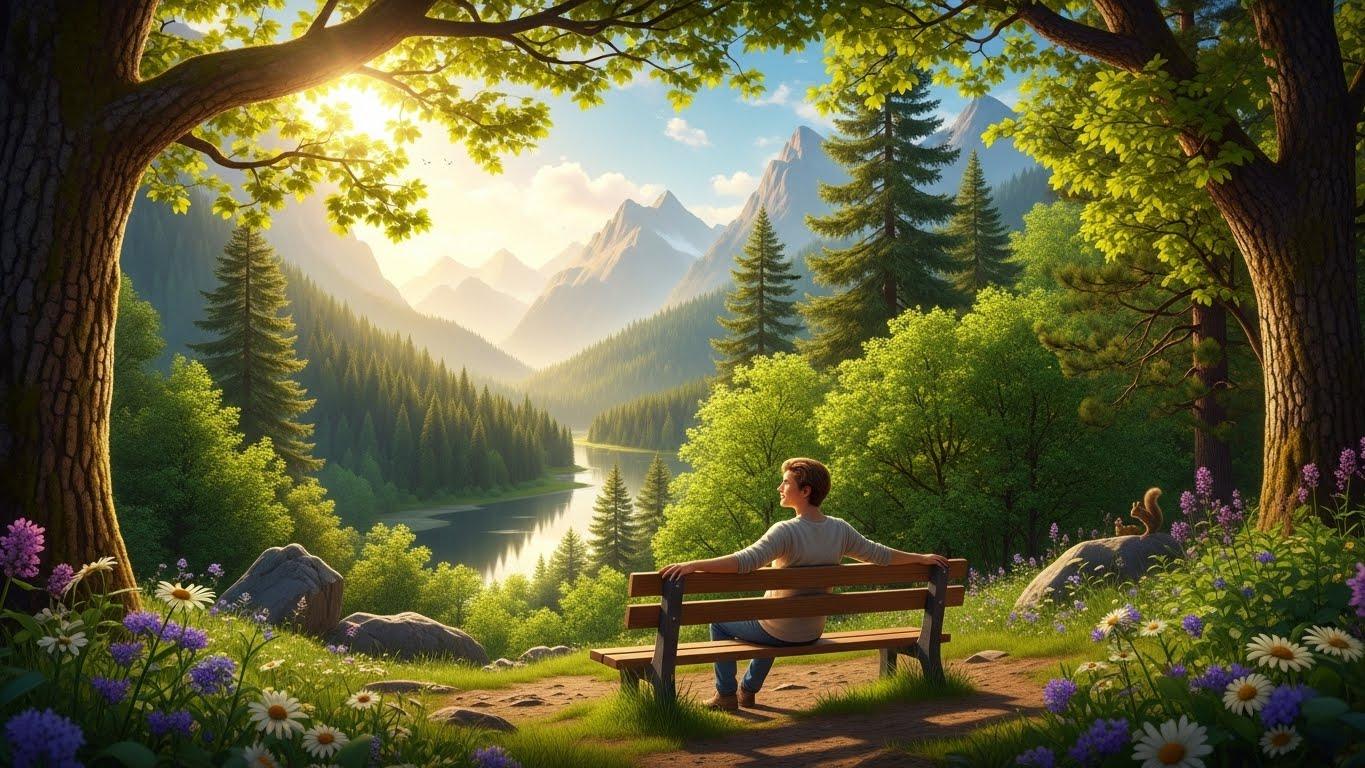
Mindfulness is a powerful tool for enhancing mental well-being, and when practiced in nature, its effects can be even more profound. Find a quiet spot outdoors, whether in a park or your backyard, and take a few moments to engage all your senses. Listen to the sounds of birds or rustling leaves, feel the texture of grass or tree bark, and observe the colors and shapes around you. Practicing mindfulness in nature can help you become more present and reduce anxiety.
The Role of Technology in Green Therapy
While the goal of green therapy is to disconnect from technology and reconnect with nature, technology can also play a supportive role. For those who live far from natural landscapes, virtual reality (VR) experiences can simulate the beauty and tranquility of nature. Studies have shown that virtual nature experiences can provide similar mental health benefits as actual nature exposure, making it a valuable tool for those with limited access to outdoor spaces.
Moreover, apps and online platforms can offer guided nature meditations, nature soundtracks, and information on local green spaces. These digital resources can enhance one’s understanding and appreciation of nature, motivating more frequent visits and interactions with the natural world.
Overcoming Barriers to Nature Access
Despite the numerous benefits of green therapy, there are barriers that can prevent individuals from accessing nature. Urbanization, lack of transportation, and physical limitations can all hinder one’s ability to spend time outdoors. However, communities and policymakers can play a crucial role in overcoming these barriers.
Advocating for the creation and maintenance of urban green spaces, such as parks and community gardens, can make nature more accessible to city dwellers. Public transportation options that connect urban areas to nearby natural attractions can also facilitate access. Additionally, designing inclusive and accessible nature trails and facilities ensures that individuals with disabilities can enjoy the benefits of nature.
By addressing these barriers, we can ensure that everyone has the opportunity to experience the healing power of nature, regardless of their location or circumstances.
Final Thoughts
Green therapy offers a holistic and natural approach to enhancing mental health, drawing on the timeless wisdom of nature’s restorative powers. As we become increasingly aware of the importance of mental well-being, it’s essential to embrace practices that nurture our minds, bodies, and spirits. Whether through visits to national parks, creating personal green spaces, or advocating for accessibility, there are countless ways to integrate nature into our lives.
Ultimately, the journey to mental wellness is deeply personal, and nature can be a steadfast companion along the way. By making a conscious effort to connect with the natural world, we open ourselves to the profound healing and serenity that only nature can provide. As we move forward, let us cherish and protect our natural spaces, ensuring that future generations can also experience the boundless benefits of green therapy.