Navigating Brazil: Latest Updates on Transportation and Infrastructure for Travelers
Brazil, a country renowned for its diverse culture, stunning landscapes, and vibrant cities, is a destination that continues to attract travelers from around the globe. As the largest country in South America, navigating Brazil’s vast territory can be both exciting and daunting. Fortunately, recent developments in transportation and infrastructure are making travel across the country more accessible and efficient. In this article, we’ll explore the latest updates on Brazil’s transportation systems and infrastructure, providing essential insights for travelers planning their journeys.
Understanding Brazil’s Transportation Landscape
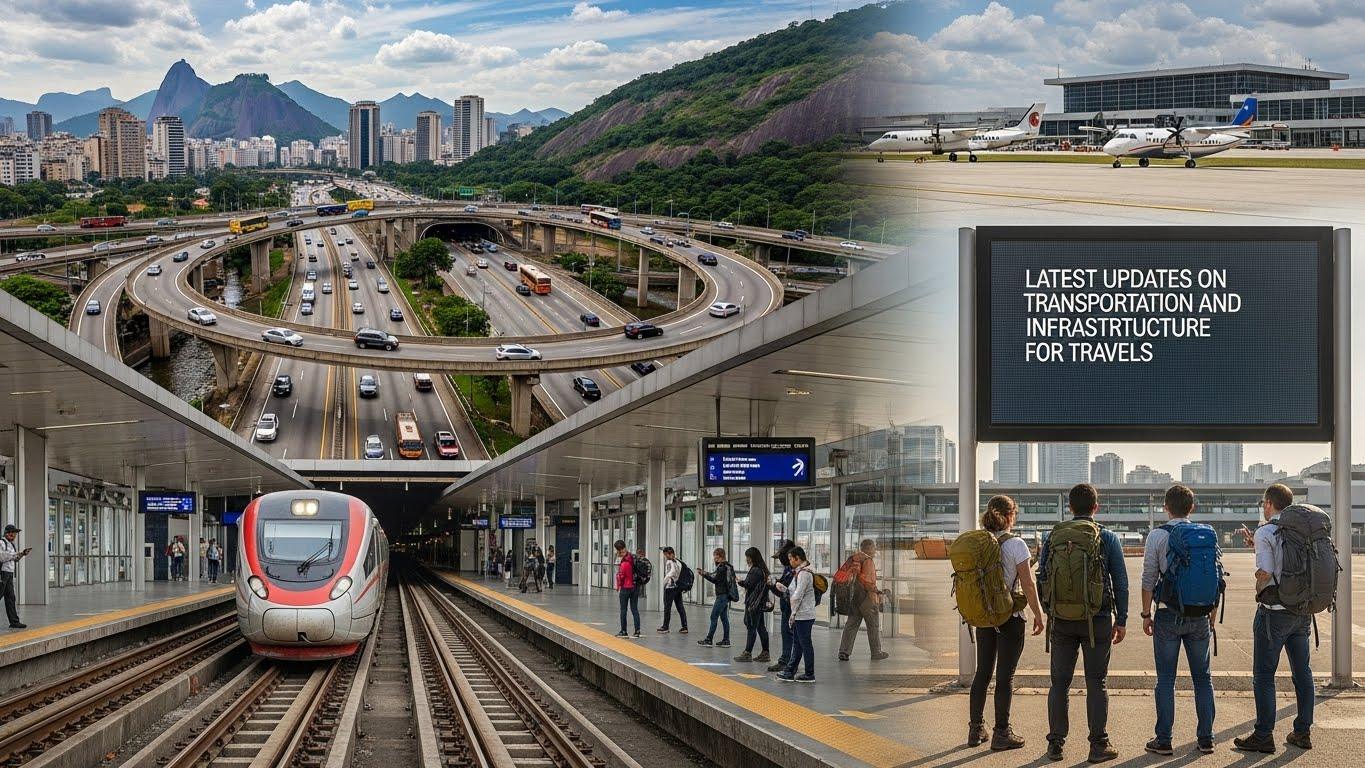
Brazil’s transportation infrastructure is a complex network that includes air, road, rail, and water transport. Each mode of transportation plays a crucial role in connecting the vast regions of the country. Let’s delve into each of these systems to understand their current state and recent improvements.
Air Travel: Expanding Horizons
With Brazil’s considerable size, air travel remains a popular choice for both domestic and international travelers. The country boasts several major international airports, including São Paulo-Guarulhos International Airport and Rio de Janeiro-Galeão International Airport, which serve as key entry points for overseas visitors.
In recent years, Brazil has invested significantly in its aviation infrastructure. The International Air Transport Association (IATA) highlights Brazil’s commitment to modernizing airport facilities and expanding capacity to accommodate growing passenger numbers. This has led to more efficient check-ins, reduced wait times, and enhanced overall passenger experiences.
Additionally, low-cost carriers have entered the Brazilian market, offering competitive fares and increasing connectivity between major cities and regional destinations. This development not only benefits tourists but also supports economic growth by boosting domestic travel.
Road Infrastructure: Paving the Way

Brazil’s road network is extensive, with highways connecting major cities and remote areas alike. Recent government initiatives have focused on improving road conditions and expanding the highway system to facilitate smoother and safer travel.
One noteworthy project is the expansion of the BR-163 highway, which plays a vital role in connecting the northern and southern regions of Brazil. As reported by the World Bank, this highway is crucial for the transportation of goods, particularly agricultural products, from the interior to coastal ports. The project’s completion is expected to reduce travel times and lower transportation costs, benefiting both travelers and the logistics industry.
Moreover, the introduction of electronic toll collection systems has streamlined the travel experience on major highways, reducing congestion and improving traffic flow. Travelers can now enjoy faster and more efficient journeys across the country.
Rail Travel: On the Right Track
While rail travel in Brazil is not as developed as in some other countries, it remains an important mode of transportation for certain regions. The government has been actively working to revitalize the rail sector, recognizing its potential to alleviate road congestion and reduce environmental impact.
Recent investments in rail infrastructure have focused on enhancing connectivity between key cities and improving the overall quality of service. The North-South Railway, for example, is a significant project aimed at connecting the central and northern regions of Brazil. According to the Brazilian Development Bank (BNDES), this railway is expected to boost regional economic development by facilitating the movement of goods and people.
Water Transport: Navigating Brazil’s Waterways
Brazil’s extensive river system offers a unique opportunity for water-based travel, particularly in the Amazon region. River transport is an essential means of reaching remote areas that are otherwise inaccessible by road or air.
Efforts to modernize river ports and improve navigability have been underway, with a focus on increasing safety and efficiency. The International Maritime Organization (IMO) outlines Brazil’s initiatives to enhance waterway infrastructure and promote sustainable practices. For travelers seeking an authentic Amazonian experience, river cruises and boat tours offer an unforgettable way to explore the region’s natural beauty.
Urban Transportation: Evolving Cityscapes
Brazil’s major cities are constantly evolving, with urban transportation systems playing a critical role in shaping the daily lives of residents and visitors. In recent years, cities like São Paulo and Rio de Janeiro have made significant strides in upgrading their public transportation networks.
The São Paulo Metro, one of the most extensive in Latin America, continues to expand its lines to accommodate the growing population. Investments in modernizing train cars and improving station facilities have enhanced passenger comfort and accessibility. Similarly, Rio de Janeiro’s Bus Rapid Transit (BRT) system provides an efficient and cost-effective way to navigate the city’s bustling streets.
Additionally, the rise of ride-sharing services has transformed urban mobility in Brazil. Platforms like Uber and 99 offer travelers convenient and affordable options for getting around cities, complementing traditional taxi services.
Conclusion: A Bright Future for Travel in Brazil
As Brazil continues to invest in its transportation and infrastructure, travelers can expect a more seamless and enjoyable experience when exploring this diverse country. From modernized airports and expanded highways to revitalized railways and improved urban transit systems, the latest developments are paving the way for a bright future in Brazilian travel.
Whether you’re planning to explore the iconic landmarks of Rio de Janeiro, venture into the heart of the Amazon, or experience the cultural richness of Salvador, staying informed about the latest transportation updates will ensure a smooth and memorable journey. With the country’s commitment to enhancing its infrastructure, Brazil is poised to welcome travelers with open arms and offer them an unforgettable adventure.
Travel Tips for Navigating Brazil
While the improvements in infrastructure are making travel easier, it’s always helpful to have some practical tips to make your journey even smoother. Here are some recommendations for navigating Brazil’s transportation systems effectively:
Plan Ahead
Given the vast distances between many Brazilian destinations, planning your itinerary carefully is crucial. Consider the time it will take to travel between cities and factor in any potential delays. Booking flights and accommodations in advance can also help secure better rates and availability.
Stay Informed
Keep abreast of any local transportation news or changes that may affect your travel plans. Websites like Brazil’s government portal provide real-time updates on flight statuses and airport information. Staying informed will help you adapt to any unexpected changes.
Embrace Technology
Make use of travel apps and digital maps to navigate cities and find the best routes. Apps like Google Maps and Moovit can provide real-time information on public transportation schedules, helping you optimize your travel time and avoid unnecessary detours.
Consider Alternative Routes
If you have the time, consider taking scenic routes that offer a glimpse into Brazil’s breathtaking landscapes. For example, a drive along the Costa Verde between Rio de Janeiro and São Paulo offers stunning views of the coastline and the Atlantic Forest.
Stay Safe
While Brazil is generally a safe destination, it’s important to exercise caution and be mindful of your surroundings, especially in crowded areas. Keep your belongings secure, and avoid displaying valuable items in public. If you are driving, be aware of local traffic laws and road conditions.
Future Prospects for Brazil’s Transportation Infrastructure
Looking ahead, Brazil’s transportation infrastructure is poised for continued growth and innovation. The government is committed to further investments in sustainability and technology integration, ensuring that the country’s transportation systems meet the demands of a modern economy.
One area of focus is the development of smart cities, where technology is leveraged to enhance urban mobility and reduce environmental impact. Initiatives such as electric buses and integrated transportation networks are being explored to create more sustainable urban environments.
Additionally, Brazil’s geographical diversity presents opportunities for eco-friendly tourism, with sustainable transportation options playing a key role. Efforts to develop green infrastructure and promote energy-efficient travel will enhance Brazil’s appeal as a destination committed to environmental preservation.
Final Thoughts
Brazil’s evolving transportation and infrastructure landscape presents exciting opportunities for travelers seeking to explore this vibrant country. With improved connectivity and accessibility, visitors can experience the rich cultural heritage, stunning natural beauty, and diverse attractions that Brazil has to offer.
By staying informed and embracing the latest developments, travelers can enhance their journeys and create lasting memories in this captivating destination. As Brazil continues to make strides in its infrastructure, it is well-positioned to become an even more enticing and accessible choice for global adventurers.
Exploring Brazil’s Regions: Tailored Transportation Options
Brazil’s vast and diverse regions offer unique experiences, and understanding the best transportation options for each area can enhance your travel experience. Here’s a closer look at how to navigate some of Brazil’s most popular regions:
The Amazon
The Amazon rainforest is a bucket-list destination for many travelers. Given its remote location, reaching the Amazon often involves a combination of flights and river transport. Manaus, the capital of the Amazonas state, serves as a gateway to the region. From there, travelers can take riverboats or small aircraft to explore deeper into the rainforest. Guided tours are highly recommended for a safe and informative experience.
The Pantanal
The Pantanal is the world’s largest tropical wetland and a haven for wildlife enthusiasts. The best way to reach this region is by flying into Campo Grande or Cuiabá, and then continuing by road or small charter flights to lodges and eco-resorts. Exploring the Pantanal typically involves guided safaris and boat tours, offering a front-row seat to its rich biodiversity.
The Northeast Coast
Brazil’s northeast coast is famous for its beautiful beaches and colonial architecture. Cities like Salvador, Recife, and Fortaleza are accessible via major airports, with domestic flights connecting travelers to coastal towns. Renting a car is a popular option for those looking to explore the coastline at their own pace, offering the flexibility to discover hidden beaches and local culture.
The South
The southern region of Brazil, known for its European influence and natural beauty, includes cities like Porto Alegre and Curitiba. This area is well-connected by road and rail, making it easy to explore charming towns and scenic landscapes. The Serra Verde Express train offers a picturesque journey through the Atlantic Forest, providing a unique way to experience the region’s lush environment.
Embracing Local Culture Through Transportation
One of the joys of traveling in Brazil is immersing yourself in local culture, and transportation can be an essential part of this experience. Whether it’s hopping on a local bus in Rio de Janeiro, taking a tram ride in Santa Teresa, or enjoying a bike ride along Ipanema Beach, these modes of transport offer a glimpse into Brazilian life and allow for authentic interactions with locals.
Moreover, Brazil’s vibrant festivals and cultural events often come with unique transportation options. For instance, during Carnival, cities like Rio and Salvador provide special shuttle services to transport revelers to and from celebrations safely.
Conclusion: A Dynamic Destination Awaits
Brazil’s continuous advancements in transportation and infrastructure are transforming the way travelers experience this dynamic country. With a commitment to modernization and sustainability, Brazil is enhancing its appeal as a top travel destination.
Whether you’re drawn to the bustling urban centers, the tranquil beaches, or the untouched wilderness, understanding the latest transportation updates will help you navigate Brazil with ease and confidence. As you explore the diverse landscapes and vibrant cultures, you’ll discover that the journey is just as rewarding as the destination itself.
Prepare to embark on an unforgettable adventure, where every mode of transportation offers new perspectives and opportunities. Brazil awaits with open arms, ready to share its beauty and hospitality with travelers from around the world.