Photographing Nature: Essential Tips for Capturing the Best Shots in National Parks
National parks are a treasure trove of stunning landscapes, abundant wildlife, and unique natural features, making them ideal locations for nature photography. Whether you’re a seasoned photographer or a novice with a smartphone, capturing the essence of these natural wonders requires both technical skill and a creative eye. In this guide, we’ll delve into essential tips and strategies to help you capture breathtaking photographs in national parks.
Understanding the Best Time to Shoot
The time of day you choose to shoot can significantly impact the quality of your photographs. The “golden hour,” which occurs shortly after sunrise and before sunset, is often considered the best time for photography. During these periods, the sun casts a warm, soft glow that enhances natural colors and creates dramatic shadows.
For instance, photographing landscapes in Yosemite National Park during the golden hour can transform ordinary scenes into extraordinary images. The interplay of light and shadow adds depth and dimension to your photos, making them more captivating.
Choosing the Right Equipment
While high-end DSLR cameras offer superior image quality, you don’t necessarily need top-tier gear to capture excellent photos in national parks. However, having the right equipment can enhance your photography experience.
- Camera: A DSLR or mirrorless camera with a variety of lenses is ideal, but a high-quality smartphone camera can also produce stunning results.
- Lenses: A wide-angle lens is perfect for capturing expansive landscapes, while a telephoto lens allows you to photograph wildlife from a safe distance.
- Tripod: A sturdy tripod is essential for shooting in low light conditions or capturing long-exposure shots.
- Filters: Polarizing filters can reduce glare and enhance colors, while neutral density filters are useful for long-exposure photography.

Incorporating the right equipment can significantly enhance your ability to capture memorable images in parks such as Grand Canyon National Park.
Composing Your Shot
Composition is a critical element of photography. Understanding how to arrange elements within your frame can make a significant difference in the impact of your photos.
- Rule of Thirds: Divide your frame into a 3×3 grid and position your subject along these lines or at their intersections to create a balanced and dynamic composition.
- Leading Lines: Use natural lines, such as rivers or trails, to guide the viewer’s eye through the image.
- Framing: Incorporate natural elements like trees or rocks to frame your subject and add depth to your photo.
- Perspective: Experiment with different angles and viewpoints to provide unique perspectives of familiar scenes.
By mastering composition, you can enhance the visual appeal of your photographs, whether you’re shooting the vast landscapes of Yellowstone National Park or the intricate details of a forest trail.
Capturing Wildlife Responsibly
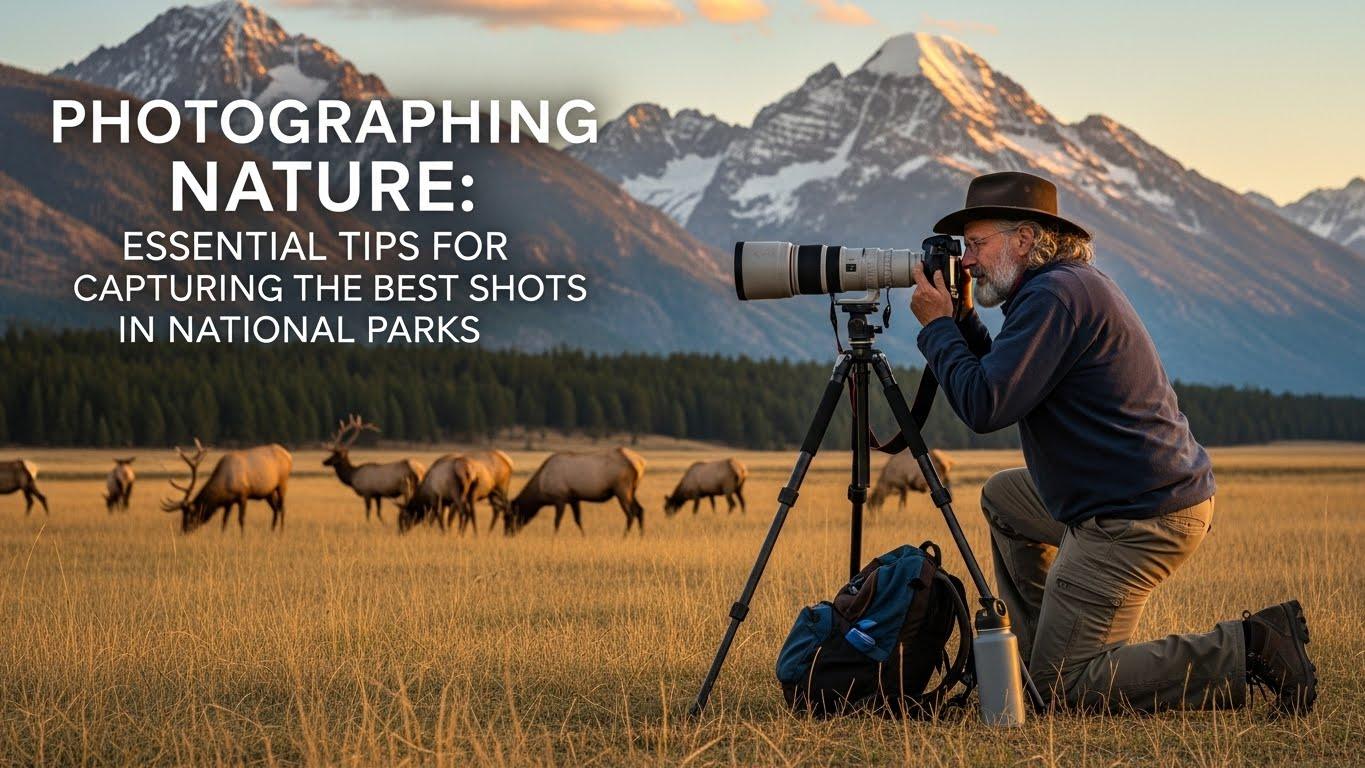
National parks are home to a diverse array of wildlife, offering photographers the opportunity to capture stunning images of animals in their natural habitats. However, it’s crucial to prioritize safety and respect for wildlife while photographing.
- Maintain Distance: Use a telephoto lens to capture animals from a safe distance, minimizing disturbance to their natural behavior.
- Avoid Feeding: Never feed wildlife, as this can lead to dependency and alter their natural foraging behaviors.
- Be Patient: Wildlife photography often requires patience and persistence. Spend time observing and waiting for the perfect moment to capture your shot.
Visiting places like Glacier National Park provides ample opportunities to photograph wildlife responsibly, ensuring that both you and the animals remain safe.
Post-Processing Techniques
Post-processing is an integral part of modern photography, allowing you to enhance your images and correct any imperfections. Here are some techniques to consider:
- Adjusting Exposure: Fine-tune the exposure to ensure that details in both the highlights and shadows are visible.
- Enhancing Colors: Boost saturation and vibrancy to make colors pop, but be cautious not to overdo it.
- Cropping: Crop your images to improve composition and remove any distracting elements.
- Sharpening: Apply sharpening to enhance the details and ensure your photos are crisp and clear.
Utilizing post-processing tools like Adobe Lightroom can help you bring your images to life, transforming them into stunning works of art.
Takeaways
Photographing nature in national parks is a rewarding experience that allows you to connect with the natural world and capture its beauty. By understanding the best times to shoot, choosing the right equipment, mastering composition, capturing wildlife responsibly, and employing effective post-processing techniques, you can create breathtaking images that tell the story of these majestic landscapes.
Whether you’re exploring the geothermal wonders of Yellowstone, the rugged terrain of the Grand Canyon, or the lush forests of Glacier National Park, these tips will help you capture the essence of your surroundings and create lasting memories through your photography. Embrace the adventure, respect the environment, and let your creativity shine as you explore the wonders of nature through your lens.
Mastering the Art of Patience
Photographing in national parks is as much about patience as it is about skill and technique. Nature operates on its own schedule, and the most breathtaking scenes often appear when you least expect them. Here are some strategies to help cultivate patience in your photography practice:
- Observational Skills: Spend time observing your surroundings without the camera. This helps you become attuned to the subtle movements and changes in light that can lead to extraordinary shots.
- Weather Watching: Weather can drastically alter the landscape, creating moody skies or misty atmospheres. Use weather apps to anticipate changes and be ready to capture them.
- Frequent Visits: Revisit the same location at different times of day and in various seasons to capture a range of conditions and perspectives.
For instance, capturing the elusive light beams of Zion National Park‘s slot canyons requires patience and timing, rewarding those who wait with stunning visuals.
Learning from Other Photographers
The photography community is a rich source of inspiration and knowledge. Engaging with other photographers can provide new insights and techniques to enhance your skills. Here are some ways to learn from others:
- Workshops and Tours: Participate in photography workshops or guided tours in national parks. These provide valuable opportunities to learn from experienced photographers and gain hands-on experience.
- Online Communities: Join online forums and social media groups dedicated to nature photography. These platforms allow you to share your work, receive feedback, and learn from others’ experiences.
- Photography Exhibitions: Attend exhibitions and galleries showcasing nature photography to gain inspiration and understand different artistic interpretations of nature.
Engaging with the work of others can be particularly beneficial when exploring complex environments like the intricate ecosystems of Everglades National Park.
Understanding Ethical Photography Practices
Ethical considerations are paramount in nature photography. Respect for the environment and its inhabitants ensures that these natural wonders remain preserved for future generations. Here are some ethical practices to keep in mind:
- Leave No Trace: Follow the Leave No Trace principles by minimizing your impact on the environment. Avoid disturbing wildlife and ensure that you pack out all trash.
- Stay on Trails: Stick to marked trails to prevent damage to fragile ecosystems and protect yourself from potential hazards.
- Respect Regulations: Adhere to park rules and regulations, including restrictions on drone usage and designated photography zones.
Practicing ethical photography ensures that places like Acadia National Park remain pristine and enjoyable for everyone.
Utilizing Natural Light
Natural light is one of the most powerful tools in a photographer’s arsenal. Learning to use it effectively can elevate your images significantly. Here are some tips for harnessing natural light:
- Backlighting: Position your subject between the camera and the light source to create silhouettes or highlight textures.
- Side Lighting: Use light coming from the side to add depth and dimension to your photos, emphasizing textures and forms.
- Diffused Light: Overcast days provide diffused light, reducing harsh shadows and creating a soft, even illumination that’s perfect for capturing details.
Mastering natural light can transform your photography, particularly in regions with variable weather patterns, such as Olympic National Park.
Final Thoughts
Photographing nature in national parks is an enriching experience that combines adventure, creativity, and technical skill. By embracing patience, learning from fellow photographers, adhering to ethical practices, and mastering the use of natural light, you can create images that not only capture the beauty of the natural world but also convey its profound impact.
As you embark on your photographic journey through these majestic landscapes, remember that each park offers unique opportunities and challenges. Whether you’re drawn to the towering cliffs of Zion, the steamy springs of Yellowstone, or the serene waters of Acadia, let your passion for nature guide your lens and inspire your creativity. Happy shooting!