Photographing Nature: Essential Tips for Capturing the Best Shots in National Parks
National parks offer breathtaking landscapes, diverse wildlife, and a serene environment perfect for capturing stunning photographs. Whether you’re a seasoned photographer or a beginner with a passion for nature, photographing national parks can be a rewarding experience. In this guide, we’ll cover essential tips and techniques to help you capture the beauty of nature in these protected areas.
Understanding the Landscape
Before you embark on your photographic journey, it’s crucial to understand the landscape of the national park you’re visiting. Research the park’s unique features and geological formations. Websites like the National Park Service provide detailed descriptions and maps that can help you plan your shots.
Timing is Everything
Lighting plays a vital role in photography, and nature photography is no exception. The golden hours, which occur shortly after sunrise and before sunset, provide soft, diffused light that can enhance the colors and textures of your images. Arrive early to scout the location and find the best vantage points. Consider the direction of the sun and how it impacts the landscape. For more insight on this, you can explore resources on Photography Life for tips on utilizing natural light.
Capturing Wildlife
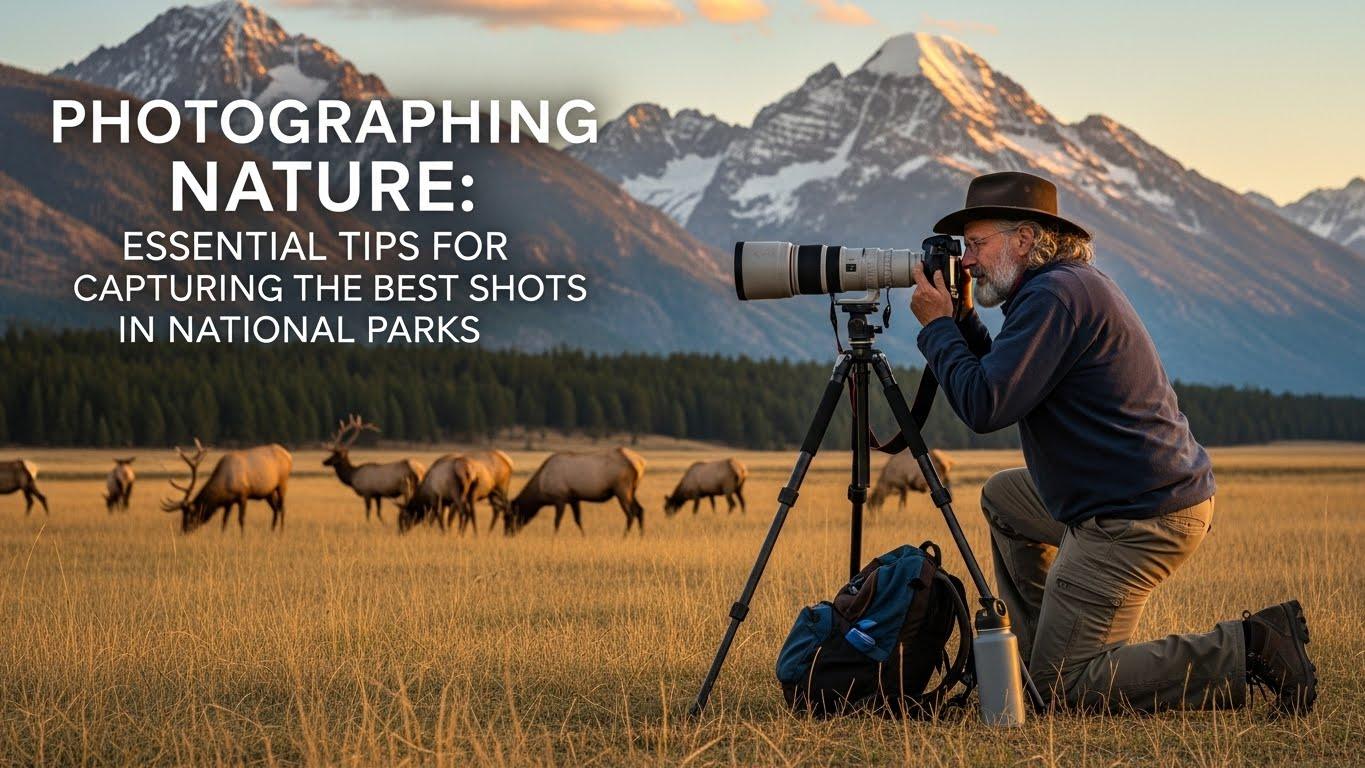
Wildlife photography requires patience and respect for the animals’ natural habitat. Use a telephoto lens to capture close-up shots without disturbing the animals. Be aware of your surroundings and maintain a safe distance. Learn about the behavior of the wildlife in the park, as this can help you anticipate movements and capture compelling images. The World Wildlife Fund offers extensive information on various species and their habitats.

Equipment Essentials
Having the right equipment can make a significant difference in your photography. A DSLR or mirrorless camera with interchangeable lenses gives you flexibility in different shooting conditions. A sturdy tripod is essential for stability, especially in low-light conditions or when using slow shutter speeds. Don’t forget extra batteries and memory cards to ensure you’re prepared for a full day of shooting.
Composition Techniques
Effective composition can turn an ordinary scene into a captivating photograph. Use the rule of thirds to create balanced images. Leading lines, such as trails or rivers, can guide the viewer’s eye through the photograph. Incorporate foreground elements to add depth and dimension. Experiment with different perspectives and angles to find the most compelling composition.
Post-Processing Tips
Post-processing allows you to enhance your images and bring out the details you captured. Software like Adobe Lightroom and Photoshop are popular choices for editing nature photographs. Adjust exposure, contrast, and saturation to highlight the natural beauty of the scene. Be careful not to overdo the edits; strive for a natural look that stays true to the original scene.
Respecting the Environment
While capturing the beauty of national parks, it’s important to practice responsible photography. Follow the Leave No Trace principles to minimize your impact on the environment. Stay on designated trails, do not disturb wildlife, and carry out all trash. By respecting the park’s rules and guidelines, you help preserve its natural beauty for future generations.
Planning Your Visit
Each national park has its own set of rules, entrance fees, and access restrictions. Plan your visit by checking the official park website for the latest information. Consider the time of year and weather conditions, as these can affect accessibility and the types of photographs you can capture. Some parks offer photography workshops or guided tours, which can provide valuable insights and improve your skills.
Developing Your Style
As you gain experience, you’ll start to develop your own unique photographic style. Experiment with different techniques, such as long exposures for capturing waterfalls or macro photography for detailed shots of plants. Your style will evolve as you continue to explore and learn from each photographic adventure.
Takeaways
Photographing nature in national parks is a fulfilling endeavor that allows you to connect with the natural world and share its beauty with others. By understanding the landscape, timing your shots, and respecting the environment, you can capture stunning images that showcase the diversity and wonder of these protected areas. Whether you’re capturing majestic mountains, tranquil lakes, or vibrant wildlife, the tips and techniques in this guide will help you make the most of your national park photography adventures.
Incorporating Human Elements
While the focus of nature photography is often the landscapes and wildlife, incorporating human elements can add a unique perspective to your images. Capture hikers on a trail, campers enjoying a sunset, or park rangers performing their duties. These elements can tell a story and provide a sense of scale to the majestic landscapes surrounding them. Be mindful of privacy and always seek permission if you plan to feature identifiable individuals prominently in your photographs.
Using Filters and Accessories
Filters can enhance the quality of your photographs by controlling light and reducing glare. A polarizing filter is particularly useful in nature photography, as it can deepen the colors of the sky and reduce reflections on water surfaces. Neutral density (ND) filters allow for longer exposure times, which can be used to create motion blur effects in waterfalls and rivers. Ensure your filters are compatible with your lens and practice using them to understand their effects.
Safety Considerations
Your safety and the safety of those around you should always be a top priority when photographing in national parks. Stay aware of the park’s conditions, such as weather changes or wildlife activity. Carry a basic first aid kit and know the location of the nearest ranger station. Inform someone of your plans and expected return time, especially if you’re venturing into remote areas alone. Websites like Outdoor Project offer resources and tips for safe outdoor adventures.
Sharing and Inspiring Others
Once you’ve captured and edited your photographs, consider sharing them through social media, photography forums, or exhibitions. Engaging with a community of like-minded individuals can provide valuable feedback and inspiration for future projects. Use platforms like Instagram or Flickr to reach a wider audience, and don’t forget to credit the national park or location to promote awareness and appreciation for these natural wonders.
Continuing Your Education
Photography is a constantly evolving art form, and there’s always something new to learn. Consider enrolling in photography workshops, online courses, or attending seminars to expand your knowledge and skills. Many national parks offer ranger-led photography programs that provide unique insights into capturing the park’s beauty. Websites like CreativeLive offer a range of courses for photographers at all levels.
Building a Portfolio
As you accumulate photographs from various national parks, consider creating a portfolio to showcase your work. A well-curated portfolio demonstrates your skills and personal style, which can be essential if you’re pursuing photography as a profession. Choose a mix of landscapes, wildlife, and human elements to highlight your versatility. An online portfolio can reach a global audience and attract potential clients or collaborators.
Conclusion: The Journey Continues
Photographing national parks is a journey that offers endless opportunities for creativity, exploration, and personal growth. Each park provides a unique canvas, waiting for you to capture its essence and share its story. By embracing the tips and techniques discussed in this guide, you’ll be well-equipped to create stunning images that inspire others and contribute to the conservation of our planet’s most treasured landscapes. Remember, the art of photography is not just about capturing moments but also about experiencing and preserving the beauty of the natural world around us.
Exploring Different Seasons
National parks offer vastly different photographic opportunities depending on the season. Spring brings blooming wildflowers and vibrant greenery, while summer offers long days and captivating sunsets. Autumn is celebrated for its rich tapestry of colors, with forests transforming into shades of red, orange, and yellow. Winter, although challenging, can provide stunning snow-covered landscapes and unique light conditions. Each season requires different preparations in terms of clothing, equipment, and shooting techniques. Embrace the changes each season brings and experiment with capturing the park’s transformation throughout the year.
Engaging in Conservation Efforts
As nature photographers, we have an opportunity to play a role in conservation by raising awareness through our images. Consider partnering with local conservation organizations or participating in citizen science projects that document wildlife and plant species. Your photographs can support conservation efforts by highlighting the beauty and value of preserving these natural wonders. Platforms like the National Geographic Society often feature stories and initiatives focused on conservation and can provide inspiration and guidance for contributing to these important causes.
Networking with Other Photographers
Networking with other nature photographers can provide valuable insights and opportunities for collaboration. Join photography clubs, attend meetups, or participate in online forums to connect with others who share your passion. Networking can lead to collaborative projects, shared learning experiences, and even travel companions for future national park visits. Engaging with a community of photographers can offer support, inspiration, and diverse perspectives that enrich your photographic journey.
Experimenting with Different Genres
While nature and landscape photography are the primary focus in national parks, consider experimenting with other genres such as astrophotography or macro photography. National parks often have minimal light pollution, making them ideal for capturing the night sky and celestial events. Macro photography allows you to explore the intricate details of plants, insects, and textures found in the park. Diversifying your skills and exploring different genres can enhance your creativity and provide new challenges to overcome.
Reflecting on Your Photographic Journey
Take time to reflect on your photographic journey and the experiences you’ve gained from photographing national parks. Consider keeping a journal to document your thoughts, challenges, and successes. Reflecting on your work can help you identify areas for growth and set new goals for your photography. It also allows you to appreciate the progress you’ve made and the unique experiences that come with capturing the beauty of nature.
Leaving a Legacy
Your photographs have the power to leave a lasting impact on those who view them. They can inspire future generations to appreciate and protect our natural world. Consider creating a book or digital collection of your work that showcases the beauty of national parks. Such a legacy not only shares your passion and talent but also contributes to the ongoing conversation about the importance of preserving these invaluable landscapes for future generations to enjoy.
In conclusion, photographing nature in national parks is a rewarding pursuit that combines artistic expression with a deep appreciation for the natural world. By honing your skills, respecting the environment, and sharing your work, you can capture the essence of these magnificent landscapes and inspire others to explore and protect them. Embrace the journey, and let each photograph tell a story of the beauty and wonder that exists within our national parks.