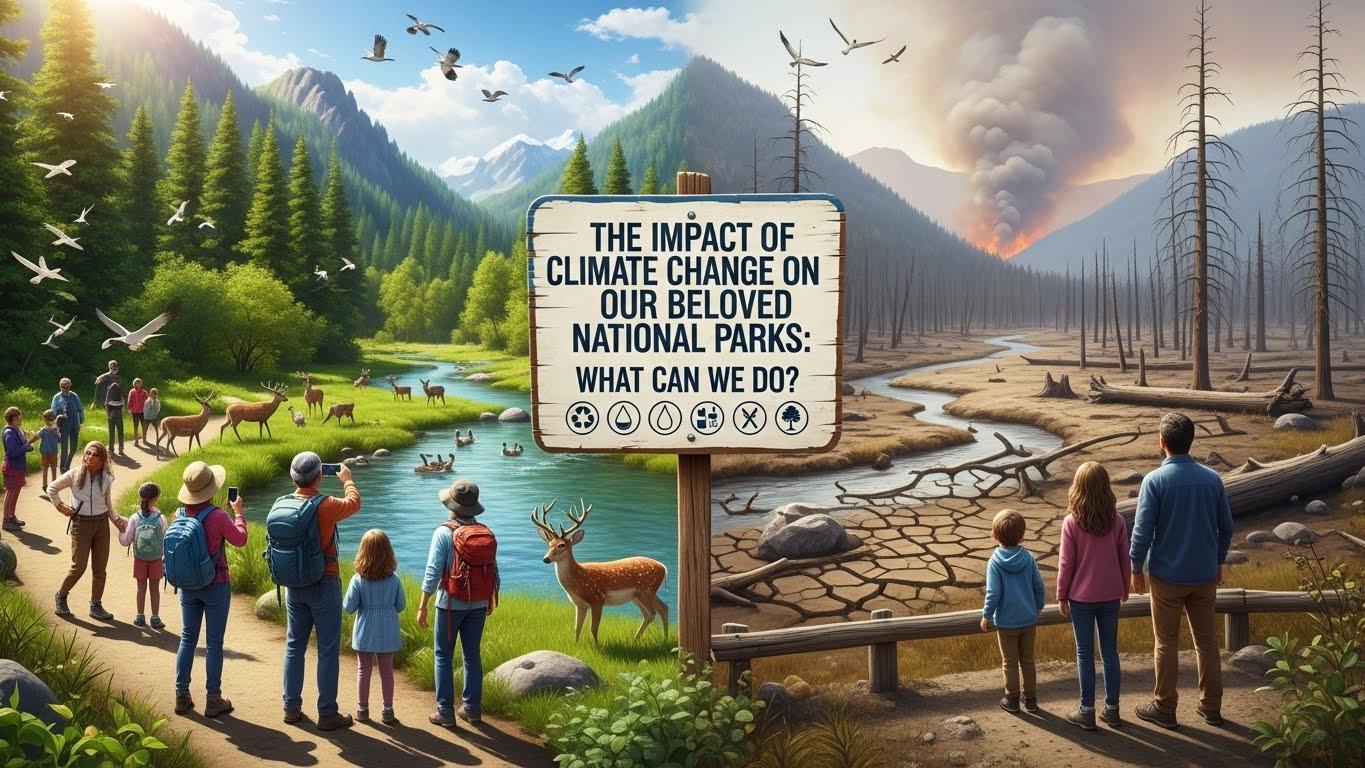
The Impact of Climate Change on Our Beloved National Parks: What Can We Do?
National Parks have long been cherished as refuges of natural beauty and biodiversity, offering visitors an opportunity to connect with nature. However, these treasured landscapes are increasingly under threat from climate change. Rising temperatures, changing precipitation patterns, and more frequent extreme weather events are reshaping ecosystems, affecting wildlife, and altering the very landscapes that define our parks. This post delves into the impacts of climate change on national parks and explores what can be done to mitigate these changes.
Understanding Climate Change and Its Effects on National Parks
Climate change refers to significant changes in global temperatures and weather patterns over time. While climate change is a global phenomenon, its impacts are felt locally, and national parks are no exception. One of the most visible effects is the alteration of ecosystems. For instance, rising temperatures can cause glaciers to melt in parks like Glacier National Park, leading to habitat loss for species that rely on cold environments.
Furthermore, changing precipitation patterns can have profound effects. In Yosemite National Park, for instance, less snowfall and earlier snowmelt can lead to water shortages, affecting both wildlife and vegetation. Such changes also increase vulnerability to wildfires, which have been growing in frequency and intensity across many national parks.
Impact on Wildlife and Biodiversity
Climate change is causing shifts in habitat ranges, which can lead to mismatches in the timing of ecological events. For example, in the Great Smoky Mountains National Park, warmer temperatures are causing some plant species to bloom earlier than usual. This can disrupt the food supply for pollinators like bees and butterflies.

Species migration is another concern. In the Arctic National Wildlife Refuge, polar bears are struggling as sea ice diminishes. These bears rely on ice platforms for hunting seals, and as their habitat melts, their survival is at risk. Such shifts not only threaten individual species but can also lead to a decline in biodiversity, impacting entire ecosystems.
Effects on Visitor Experience
The impacts of climate change on national parks are not limited to ecosystems and wildlife; they also affect visitor experiences. Increased temperatures can lead to more frequent and severe heatwaves, making it uncomfortable and sometimes unsafe for visitors. For example, the Grand Canyon National Park is experiencing hotter temperatures, which can pose serious risks to hikers and outdoor enthusiasts.
Moreover, the aesthetic and recreational value of parks can be compromised. In Acadia National Park, rising sea levels and storm surges threaten coastal trails and historic sites. Such changes can diminish the natural beauty and cultural significance of these areas, impacting tourism and local economies dependent on park visitors.
What Can We Do?
While the challenges posed by climate change to national parks are significant, there are several strategies that can help mitigate its impacts. One effective approach is conservation and restoration. Efforts like reforestation and wetland restoration can enhance the resilience of ecosystems to climate change. For example, the Everglades National Park is undergoing restoration efforts to improve water flow and protect its unique ecosystems.
Reducing greenhouse gas emissions is another critical action. By adopting sustainable practices and reducing our carbon footprint, we can help slow the pace of climate change. Many parks are leading by example, implementing renewable energy solutions and promoting sustainable tourism practices.
Education and advocacy are also vital. Visitors can play a role by supporting policies and initiatives that aim to protect national parks and address climate change. Additionally, engaging in citizen science projects, like those offered by the National Park Service, can help monitor changes in park ecosystems and contribute to research efforts.
Global Efforts and Local Actions
Tackling climate change requires both global efforts and local actions. International agreements like the Paris Agreement aim to limit global warming and its impacts. These global commitments are crucial for the long-term protection of our national parks.
Locally, communities and park authorities can collaborate to develop strategies tailored to specific parks. For instance, in Yellowstone National Park, adaptive management strategies are being implemented to address changing conditions and preserve the park’s unique geothermal features.
Volunteer programs and partnerships with organizations like the National Park Foundation can also provide much-needed support for conservation efforts. These collaborations can enhance resource management and strengthen the resilience of parks against climate change.
Takeaways
Climate change presents a formidable challenge to our beloved national parks, threatening the very elements that make them special. From altering ecosystems and impacting wildlife to affecting visitor experiences, the effects are profound and far-reaching. However, by taking action at both individual and collective levels, we can help mitigate these impacts and preserve these natural treasures for future generations.
Through conservation efforts, sustainable practices, education, and advocacy, we can make a difference. By supporting initiatives aimed at reducing emissions and enhancing ecosystem resilience, we contribute to the protection of these vital landscapes. Our national parks are a testament to the beauty and diversity of the natural world, and it is our responsibility to ensure they continue to thrive in the face of climate change.
As we strive to protect these national treasures, let us also remember that our actions today will shape the legacy we leave for future generations. By working together, we can ensure that the wonders of our national parks endure and continue to inspire awe and appreciation in the years to come.
Engaging with Indigenous Knowledge and Practices
Another crucial aspect of addressing climate change impacts on national parks is the integration of Indigenous knowledge and practices. Many national parks are located on lands that have been managed by Indigenous peoples for centuries. Their traditional ecological knowledge provides valuable insights into sustainable land management and adaptation strategies. By collaborating with Indigenous communities, park authorities can enhance conservation efforts and develop more effective climate adaptation plans.
For example, in the Olympic National Park, partnerships with local tribes have led to the incorporation of traditional fire management practices to reduce wildfire risks and promote forest health. Such collaborations not only help protect natural resources but also honor cultural heritage and promote inclusivity in conservation efforts.
Innovative Technologies and Research
Advancements in technology and research are playing a pivotal role in understanding and mitigating the impacts of climate change on national parks. Remote sensing technologies, such as satellite imagery and drones, are being used to monitor changes in land cover, vegetation, and wildlife populations. This data is crucial for assessing the health of ecosystems and identifying areas at risk.
In addition, climate modeling and predictive analytics help scientists and park managers anticipate future changes and develop adaptive management strategies. By leveraging these technologies, parks can implement proactive measures to protect vulnerable species and habitats, ensuring their survival in a changing climate.
Research institutions and universities also contribute significantly to this effort. Collaborations with academic partners can lead to innovative solutions and provide the scientific basis for policy and management decisions. The continued investment in research and technology is essential for developing effective strategies to mitigate climate change impacts on national parks.
Role of Policy and Legislation
Effective policy and legislation are critical for safeguarding national parks against the challenges posed by climate change. Governments play a vital role in establishing regulations and funding initiatives aimed at conservation and climate adaptation. Policies that prioritize sustainable land use, resource management, and emissions reduction can significantly contribute to the resilience of national parks.
For instance, the establishment of protected areas and wildlife corridors can facilitate species migration and adaptation to changing environmental conditions. Additionally, policies that promote renewable energy and reduce reliance on fossil fuels can help mitigate the broader impacts of climate change.
Public support for these policies is essential. By engaging in advocacy and supporting organizations dedicated to conservation, individuals can influence policy decisions and contribute to the protection of national parks. As stewards of these natural treasures, it is our collective responsibility to advocate for policies that ensure their preservation for future generations.
Community Involvement and Outreach
Community involvement and outreach are fundamental components of successful conservation efforts. Engaging local communities in conservation initiatives fosters a sense of stewardship and responsibility towards national parks. Educational programs, workshops, and outreach activities can raise awareness about the impacts of climate change and empower individuals to take action.
Volunteering in citizen science projects, such as wildlife monitoring and habitat restoration, allows community members to contribute to research and conservation efforts. These activities not only enhance scientific understanding but also foster a deeper connection to the natural world.
Furthermore, partnerships with local businesses and organizations can lead to innovative solutions and provide the necessary resources for conservation projects. By working together, communities and park authorities can build a more sustainable future for national parks.
Conclusion: A Call to Action
The impact of climate change on our national parks is undeniable, posing significant threats to ecosystems, wildlife, and visitor experiences. However, by taking collective action, we have the power to mitigate these impacts and preserve the beauty and biodiversity of these cherished landscapes.
From conservation and restoration efforts to policy advocacy and community involvement, there are numerous ways to contribute to the protection of national parks. By embracing innovative technologies, integrating Indigenous knowledge, and supporting sustainable practices, we can enhance the resilience of these natural treasures in the face of a changing climate.
Let us remember that the actions we take today will determine the legacy we leave for future generations. Together, we can ensure that our beloved national parks continue to inspire awe, wonder, and appreciation for the natural world. The time to act is now, and by joining forces, we can make a lasting impact on the preservation of our planet’s most treasured landscapes.