The Impact of Climate Change on Our Beloved National Parks: What Can We Do?
National parks are more than just picturesque landscapes; they are vital ecological treasures that preserve the natural heritage of our planet. However, the escalating impact of climate change threatens the stability and integrity of these cherished areas. From glacial melting to shifting wildlife populations, the signs of climate disruption are increasingly evident. This article explores how climate change is affecting national parks and what measures we can take to protect these invaluable resources.
The Current State of National Parks
National parks are facing unprecedented environmental challenges. Rising temperatures, fluctuating precipitation patterns, and more frequent extreme weather events are altering their ecosystems. For instance, Glacier National Park in Montana has seen its eponymous glaciers shrink dramatically, with predictions suggesting they could disappear entirely by the end of the century. These changes are not isolated; they are symptomatic of broader patterns impacting parks worldwide.
Effects of Climate Change on Ecosystems
Climate change affects ecosystems in numerous ways, disrupting the delicate balance that sustains biodiversity. One significant consequence is habitat loss. As temperatures rise, some species may find their habitats become inhospitable, forcing them to migrate or face extinction. This can lead to a cascade of effects, as the disappearance of one species can impact others reliant on it for food or other ecological functions.
Moreover, changes in temperature and precipitation can influence plant phenology. For example, spring arrives earlier, leading to premature flowering and affecting species dependent on these timing cues. In Yosemite National Park, such shifts have been documented, with consequences for both plant and animal communities.
Water Resources and Climate Change

Water resources in national parks are also under threat. Diminishing snowpack, altered river flows, and prolonged droughts are reducing water availability. In Yellowstone National Park, for example, changes in snowmelt patterns are affecting the timing and volume of water flows, with implications for aquatic habitats and the species that rely on them.
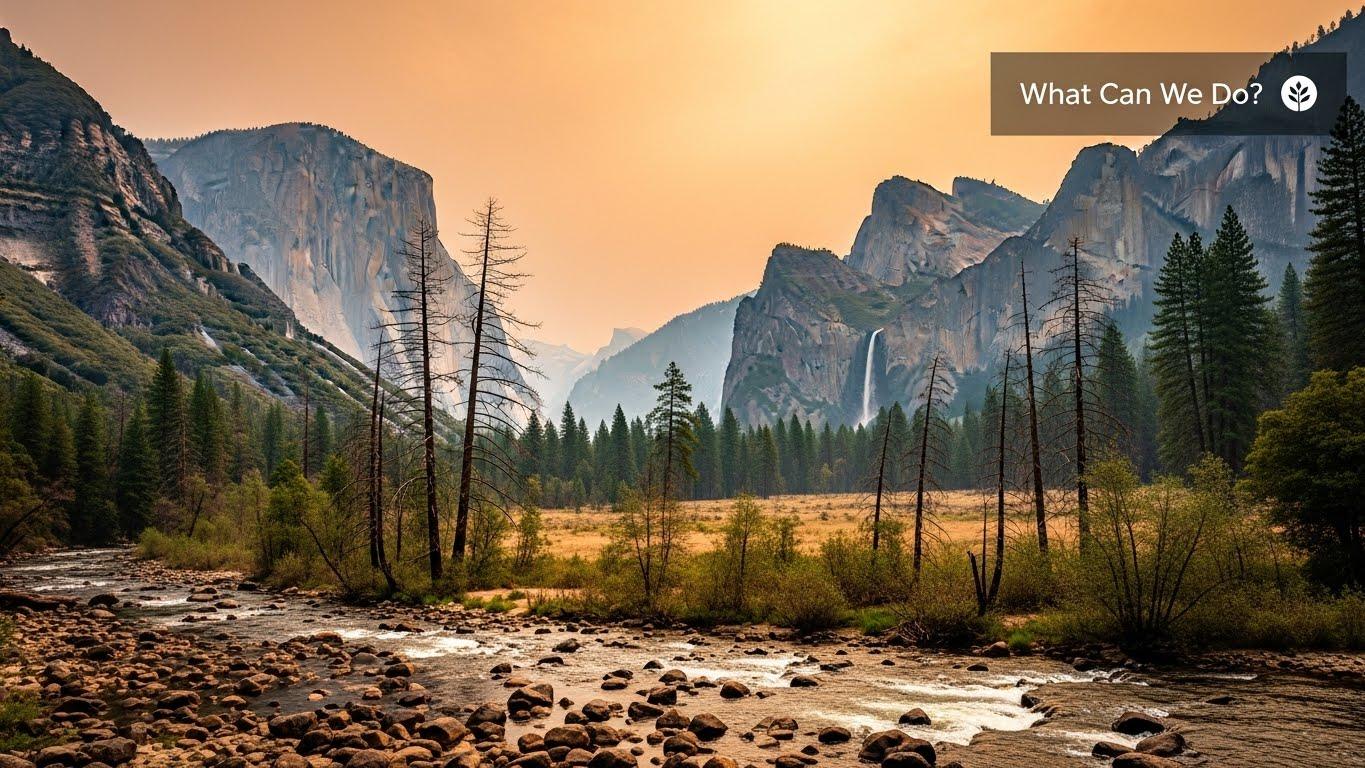
Furthermore, these changes can increase the risk of wildfires. With drier conditions and more dead vegetation, the frequency and intensity of wildfires are increasing, leading to devastating impacts on park landscapes and infrastructure.
Impact on Wildlife
Wildlife in national parks is highly susceptible to climate change. Species that are unable to adapt or migrate may face extinction. The American pika, a small mammal found in alpine regions like those in Rocky Mountain National Park, is particularly at risk. Pikas rely on cool, high-altitude environments, and rising temperatures threaten their survival.
Furthermore, climate change can alter predator-prey relationships. As species shift their ranges, new interactions occur, potentially destabilizing existing ecosystems. These changes can also facilitate the spread of invasive species, which further threaten native flora and fauna.
What Can We Do to Mitigate These Impacts?
Addressing the impact of climate change on national parks requires a comprehensive approach involving conservation, policy, and public engagement. Here are some strategies that can help mitigate these impacts:
- Conservation and Restoration: Active conservation efforts, including habitat restoration and species reintroduction, can enhance ecosystem resilience. Restoring native vegetation and reestablishing natural water flows are critical steps in strengthening the ecological fabric of national parks.
- Policy and Advocacy: Supporting policies that reduce greenhouse gas emissions is essential. Advocacy for stronger environmental regulations and participation in climate action initiatives can drive systemic change.
- Research and Monitoring: Ongoing research and monitoring are crucial for understanding climate change impacts and developing adaptive management strategies. This knowledge can inform decision-making and policy development.
- Education and Engagement: Public education and engagement are vital for fostering a collective sense of responsibility. Encouraging sustainable tourism practices and increasing awareness about climate change impacts can empower individuals to make a difference.
- Community Collaboration: Partnering with local communities and indigenous groups can enhance conservation efforts. These groups often possess valuable knowledge and have a vested interest in preserving the natural landscapes.
The Role of Technology in Conservation
Technology plays an increasingly important role in conservation efforts. The use of remote sensing and geographic information systems (GIS) allows for precise monitoring of changes in land cover and wildlife populations. Additionally, citizen science projects, powered by smartphone apps, enable park visitors to contribute valuable data on species sightings and environmental conditions, enhancing our understanding of climate change impacts.
Furthermore, renewable energy technologies can reduce the carbon footprint of park operations. Solar panels, wind turbines, and energy-efficient infrastructure are becoming more common in national parks, demonstrating a commitment to sustainable management practices.
Takeaways
National parks are more than just beautiful landscapes; they are critical ecosystems that sustain biodiversity and offer invaluable ecological services. The impacts of climate change on these areas are profound and multifaceted, threatening both natural and human systems. However, through concerted efforts in conservation, policy, and public engagement, we can mitigate these impacts and ensure that national parks continue to thrive for generations to come.
By embracing sustainable practices and advocating for climate action, we can protect our national parks and preserve their natural beauty and ecological integrity. It is our collective responsibility to safeguard these treasures so that future generations can continue to explore, enjoy, and learn from them.
Innovative Conservation Strategies
As traditional conservation methods evolve, innovative strategies are emerging to combat the effects of climate change on national parks. One such approach is the concept of climate corridors. These are protected pathways that allow species to migrate in response to shifting climate zones. Establishing these corridors can help maintain genetic diversity and ecological balance as species adapt to new environments.
Another strategy involves adaptive management, which is a dynamic approach that incorporates ongoing learning and flexibility into conservation practices. By continuously monitoring environmental changes and adjusting management strategies accordingly, park authorities can better respond to the unpredictable nature of climate impacts.
Engaging the Youth
The involvement of younger generations is critical in the fight against climate change. Educational programs that focus on environmental stewardship can inspire young people to take action. Initiatives such as the Junior Ranger Program in the United States not only educate children about the importance of national parks but also instill a sense of responsibility for their protection.
Furthermore, social media and digital platforms offer powerful tools for engaging youth in conservation efforts. By sharing stories, educational content, and opportunities for involvement, these platforms can amplify the message of climate action and reach broader audiences.
International Cooperation
Climate change is a global issue that transcends national borders, making international cooperation essential. Many national parks are part of transboundary conservation areas, where ecosystems span across countries. For example, the Waterton-Glacier International Peace Park is a collaborative effort between the United States and Canada to protect shared natural resources.
By working together, countries can pool resources, share knowledge, and develop cohesive strategies to address the impacts of climate change on these shared landscapes. Such cooperation can also foster peace and mutual understanding, highlighting the role of nature in diplomacy.
Personal Responsibility and Action
While large-scale policy changes and conservation strategies are crucial, individual actions also play a significant role in mitigating the impacts of climate change. Simple steps such as reducing energy consumption, supporting sustainable businesses, and advocating for environmental policies can collectively make a substantial difference.
Visitors to national parks can also contribute by practicing Leave No Trace principles, minimizing their carbon footprint, and participating in volunteer programs. These actions not only help preserve the parks but also set a positive example for others to follow.
A Call to Action
As stewards of the Earth, it is our duty to protect the natural wonders that define our national parks. The challenges posed by climate change are daunting, but they are not insurmountable. Through collaboration, innovation, and a commitment to sustainability, we can preserve these precious landscapes for future generations.
The time for action is now. By embracing the responsibility to combat climate change, we can ensure that our national parks remain vibrant, diverse, and resilient. Together, we can make a difference and inspire a global movement dedicated to the conservation of our planet’s most cherished natural treasures.
Success Stories and Positive Outcomes
Despite the overwhelming challenges posed by climate change, there are numerous success stories that highlight the positive outcomes of dedicated conservation efforts. In Everglades National Park, for instance, comprehensive restoration projects have been underway to restore the natural water flow and enhance the resilience of the ecosystem. These efforts have not only improved water quality but also bolstered the habitat for native wildlife, showcasing the power of targeted conservation initiatives.
Similarly, strategies such as reforestation and the introduction of sustainable tourism practices have led to remarkable recoveries in various national parks. By planting native trees and vegetation, parks can enhance carbon sequestration, mitigate erosion, and provide habitat for a myriad of species. These efforts, combined with responsible tourism, help maintain the ecological balance and economic viability of the parks.
Looking to the Future
As we look to the future, it is clear that ongoing commitment and innovation are essential to overcoming the impacts of climate change on our national parks. Technological advancements, such as artificial intelligence and machine learning, offer new possibilities for monitoring and managing these landscapes. These technologies can provide park managers with real-time data on environmental changes, enabling more effective and proactive management strategies.
Furthermore, the integration of traditional ecological knowledge with modern science can yield innovative solutions that respect both cultural and environmental values. Indigenous communities have long practiced sustainable land management, and their insights can be invaluable in crafting strategies that are both effective and equitable.
Empowering Local Communities
The empowerment of local communities is also a key component of successful conservation efforts. By involving local populations in decision-making processes and providing them with the resources and education needed to participate in conservation efforts, parks can foster a sense of ownership and stewardship. This approach not only strengthens conservation outcomes but also enhances community livelihoods and resilience to climate impacts.
Conclusion: A Shared Responsibility
In conclusion, the impact of climate change on national parks is a pressing issue that requires urgent attention and action. While the challenges are significant, the opportunities for positive change are equally abundant. By embracing innovative strategies, fostering collaboration, and empowering individuals and communities, we can ensure that our national parks continue to thrive.
These natural sanctuaries are not just places of beauty and recreation; they are vital ecosystems that support life and provide essential services to our planet. It is our shared responsibility to protect them from the threats posed by climate change and to preserve their splendor for generations to come. Let us rise to the challenge and commit to a future where our national parks flourish in harmony with the changing climate.