The Majesty of Mother Nature: Highlighting Biodiversity in Our National Parks
The tapestry of life that covers our planet is both intricate and awe-inspiring. From dense forests and arid deserts to vast oceans and towering mountains, the natural world offers a plethora of wonders. At the heart of this biodiversity lies our national parks—protected areas that serve as sanctuaries for countless species of flora and fauna. In this post, we delve into the majesty of Mother Nature, exploring the rich biodiversity found within these parks and the critical role they play in conserving our natural heritage.
The Importance of Biodiversity
Biodiversity, the variety of life in all its forms, is a cornerstone of ecological balance and health. It includes diversity within species, between species, and of ecosystems. This variety is crucial for several reasons. First, biodiversity ensures ecosystem productivity, with each species having a specific role to play. For example, plants provide oxygen, insects pollinate crops, and predators control the populations of other species.
Moreover, biodiversity contributes to ecosystem services that are vital to human survival. These services include nutrient cycling, soil formation, and water purification. Additionally, genetic diversity within species is essential for adaptation to changing environments, ensuring resilience in the face of challenges such as climate change.
National parks are pivotal in maintaining biodiversity. By offering protected areas free from human interference, they provide a haven for species to thrive. To understand more about the significance of biodiversity, the Conservation International website offers detailed insights.
Exploring Biodiversity in National Parks

National parks are scattered across the globe, each with its unique ecosystem and species. From the lush rainforests of the Amazon to the arctic tundras of Alaska, these parks are ecosystems teeming with life. Let’s explore a few notable examples:
1. Yellowstone National Park, USA
Yellowstone is not only America’s first national park but also a biodiversity hotspot. The park is home to over 67 species of mammals, including iconic creatures such as grizzly bears, wolves, and bison. The geothermal features of Yellowstone, like the famous Old Faithful geyser, support unique microbial life, showcasing that biodiversity exists even in extreme environments.
2. Galápagos Islands, Ecuador
The Galápagos Islands are a living laboratory of evolution. The diverse range of species found here, including the famous Galápagos tortoises and marine iguanas, inspired Charles Darwin’s theory of natural selection. The isolation of these islands has led to a high level of endemism, meaning many species are found nowhere else on Earth. The Galápagos Conservancy offers extensive resources on the unique biodiversity of this region.
3. Kruger National Park, South Africa
Spanning nearly 20,000 square kilometers, Kruger National Park is one of Africa’s largest game reserves. It is home to the Big Five: lions, leopards, rhinos, elephants, and buffaloes. Beyond these iconic species, the park hosts a vast array of birds, reptiles, and plants, making it a biodiversity treasure trove.
4. Great Barrier Reef, Australia
While not a traditional park, the Great Barrier Reef is a UNESCO World Heritage site and one of the most complex ecosystems on the planet. Its coral reefs support a staggering diversity of marine life, including over 1,500 species of fish, 411 types of hard coral, and dozens of species of sharks and rays. The reef’s health is crucial, as it supports both marine life and the communities that rely on it for tourism and fishing. For more about the reef’s biodiversity, visit the Great Barrier Reef Marine Park Authority.
The Role of National Parks in Conservation
National parks are integral to biodiversity conservation, serving as refuges where ecosystems can function naturally. They act as benchmarks for understanding natural processes and changes, offering scientists a living laboratory to study. Moreover, parks contribute to species recovery efforts, providing safe habitats for endangered and threatened species.
For example, the reintroduction of wolves in Yellowstone has had a transformative effect on the park’s ecosystem. Known as a trophic cascade, this process has helped restore balance, affecting everything from elk populations to vegetation and even river courses.
Beyond ecological benefits, national parks also offer economic advantages. They attract millions of visitors each year, supporting local economies and fostering a connection between people and nature. The National Park Service provides more information on how these areas contribute to both conservation and community development.
Challenges Facing National Parks
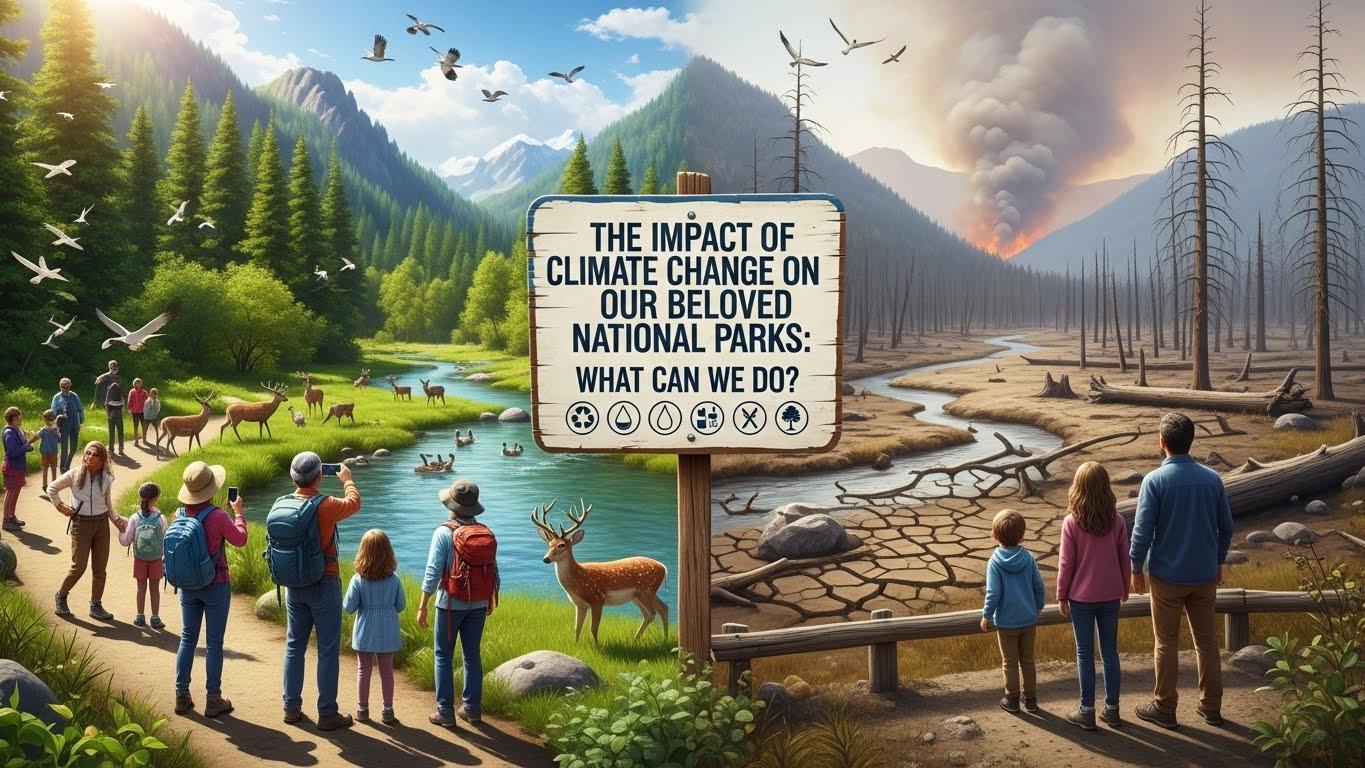
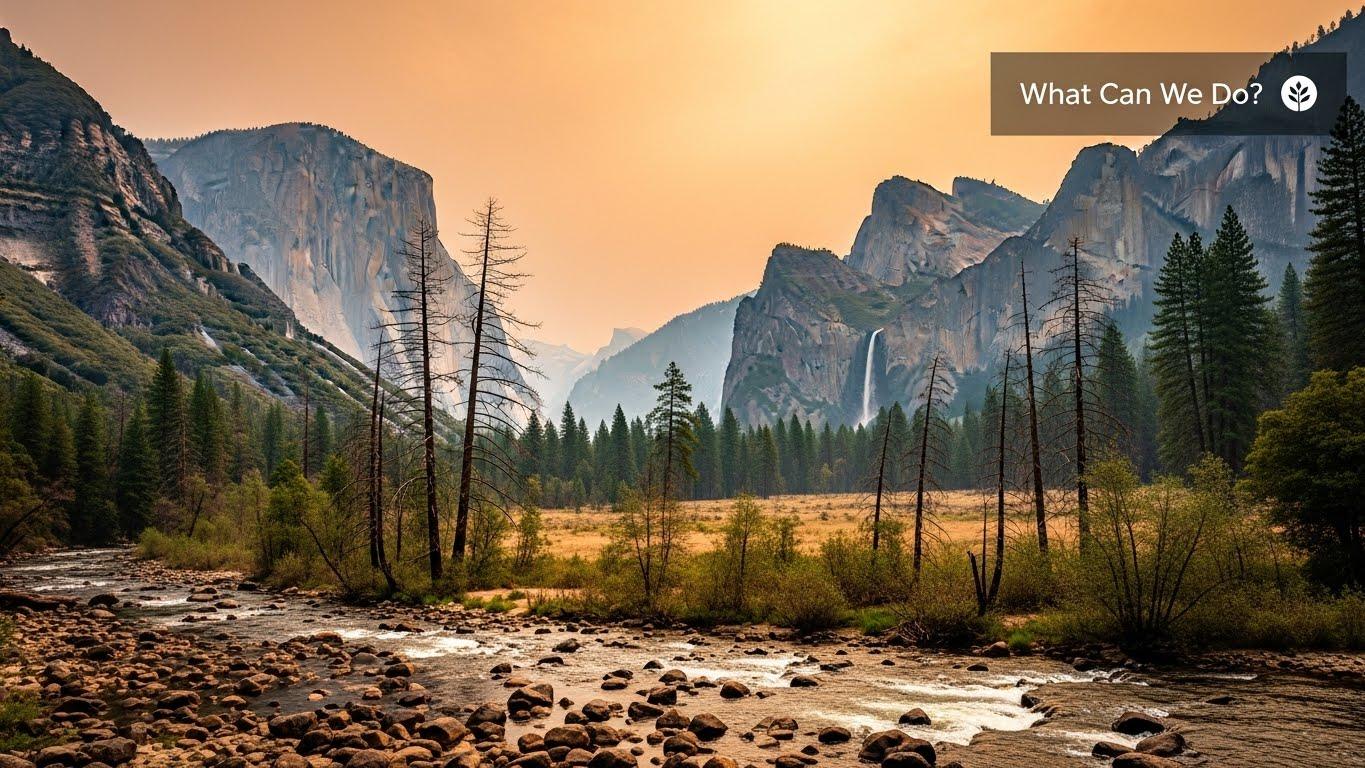
Despite their protected status, national parks face several challenges. Climate change poses a significant threat, altering habitats and putting pressure on species. Invasive species, which often lack natural predators, can disrupt ecosystems and outcompete native species.
Human activities, such as poaching, illegal logging, and pollution, also threaten the integrity of these natural areas. Addressing these challenges requires a coordinated effort involving policy changes, community engagement, and international cooperation.
Conclusion: Celebrating and Protecting Our Natural Heritage
The biodiversity found within our national parks is a testament to the beauty and complexity of nature. These protected areas are invaluable in preserving our planet’s natural heritage and providing a sanctuary for countless species. As stewards of the Earth, it is our responsibility to ensure that these ecosystems remain vibrant and resilient for generations to come.
By visiting national parks, supporting conservation efforts, and advocating for sustainable practices, we can all play a role in safeguarding the majesty of Mother Nature. For more ways to get involved, the World Wildlife Fund offers various opportunities to support biodiversity conservation efforts worldwide.
In celebrating the diversity of life, we honor the intricate web that sustains us all, fostering a deeper appreciation for the natural world and the wonders it holds.
As we continue to explore the majesty of our national parks, it is essential to recognize the symbiotic relationship between humans and nature. While national parks provide invaluable ecosystem services, they also offer us spaces for recreation, reflection, and inspiration. The benefits we derive from these natural sanctuaries underscore the importance of their preservation and our role in their stewardship.
Promoting Environmental Education
An often overlooked aspect of national parks is their role in environmental education. These natural classrooms offer unique learning experiences for visitors of all ages, fostering a deeper understanding of ecology, wildlife, and the importance of conservation. Educational programs, guided tours, and interactive exhibits help bridge the gap between scientific knowledge and public awareness, inspiring visitors to become advocates for the environment.
By engaging with nature through educational initiatives, people can develop a personal connection to the environment, which is crucial for fostering long-term conservation efforts. Many national parks have visitor centers and educational programs tailored to various audiences, ensuring that everyone can find a way to connect with nature meaningfully.
Community Involvement and Citizen Science
Community involvement is crucial for the success of conservation initiatives within national parks. Local communities often have a vested interest in the health of these ecosystems, as they depend on them for livelihoods, cultural practices, and recreation. By involving local communities in conservation efforts, we can tap into traditional knowledge and practices that have sustained these environments for centuries.
Citizen science projects are another powerful tool for conservation. These initiatives invite the public to participate in data collection and monitoring efforts, contributing to scientific research while fostering a greater sense of ownership and responsibility for the natural world. Projects like bird counts, plant surveys, and water quality monitoring empower individuals to make a tangible impact on conservation efforts.
Technology and Innovation in Conservation
In the digital age, technology and innovation have become invaluable allies in the fight for biodiversity conservation. Remote sensing, GPS tracking, and drones are just a few examples of technologies that have revolutionized how we study and protect ecosystems. These tools allow scientists to collect data more efficiently, monitor wildlife populations, and track changes in habitats over time.
Innovations such as wildlife corridors and habitat restoration projects also play a significant role in conservation efforts. By creating connections between fragmented habitats, wildlife corridors enable species to move freely, ensuring genetic diversity and resilience. Habitat restoration projects aim to rehabilitate degraded areas, restoring them to their natural state and enhancing biodiversity.
Global Cooperation for Conservation
Preserving biodiversity is a global responsibility that requires collaboration across borders. International agreements and organizations play a critical role in coordinating conservation efforts and setting global standards for environmental protection. The Convention on Biological Diversity and organizations like the International Union for Conservation of Nature (IUCN) provide frameworks for countries to work together towards common conservation goals.
Furthermore, transboundary parks, which span multiple countries, exemplify the power of international cooperation. These parks highlight the shared responsibility of nations to protect ecosystems that do not adhere to political boundaries, ensuring that conservation efforts are cohesive and effective.
Looking to the Future: A Call to Action
As we look to the future, the conservation of biodiversity within our national parks is more critical than ever. Climate change, habitat loss, and overexploitation present formidable challenges that require immediate and sustained action. By prioritizing conservation, investing in sustainable practices, and fostering a global culture of environmental stewardship, we can safeguard these precious ecosystems for future generations.
Every individual has a role to play in this effort. Whether through supporting conservation organizations, reducing our ecological footprint, or simply spending time in nature to cultivate a personal connection, each action contributes to a larger movement towards a sustainable future.
In celebrating the splendor of our national parks and the biodiversity they protect, we are reminded of the intricate web of life that sustains us all. It is our collective responsibility to honor and protect this legacy, ensuring that the majesty of Mother Nature endures for generations to come.