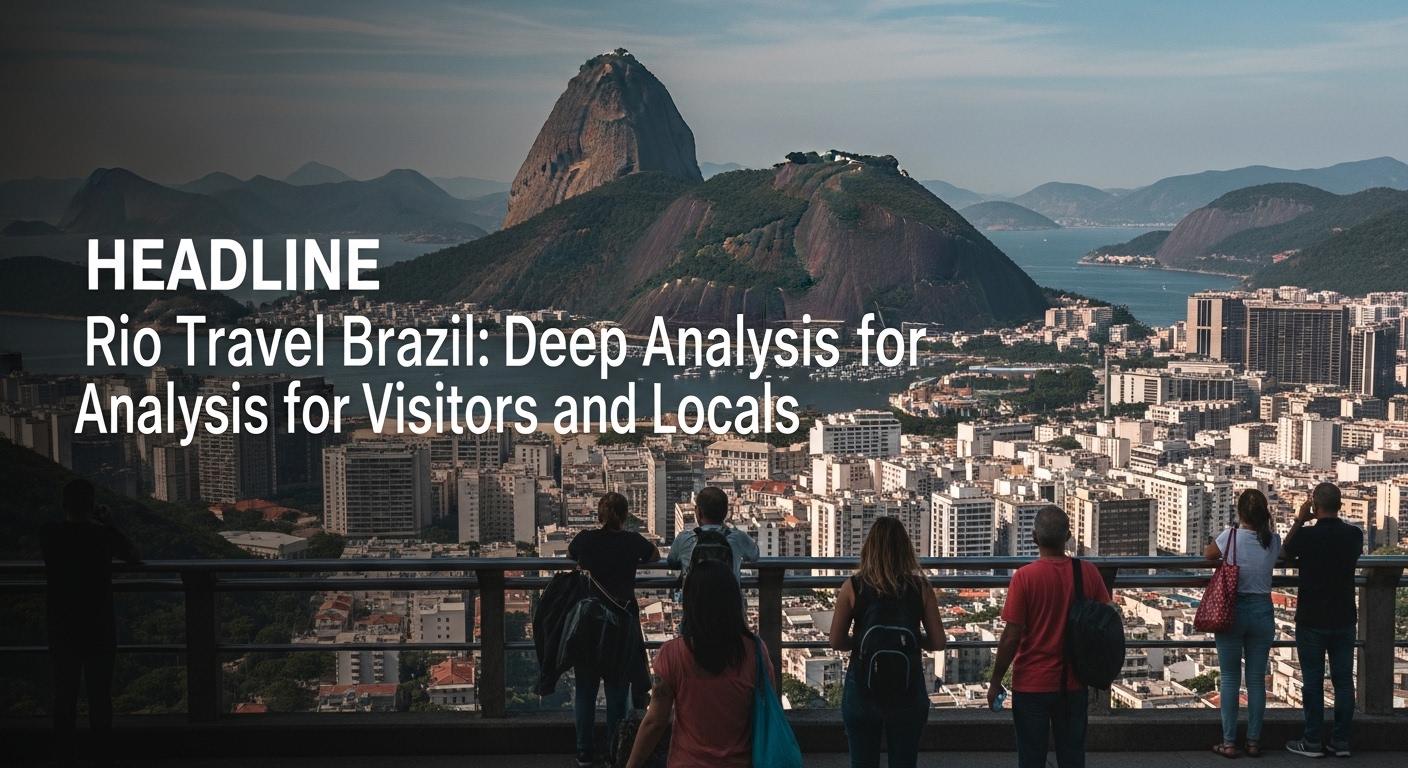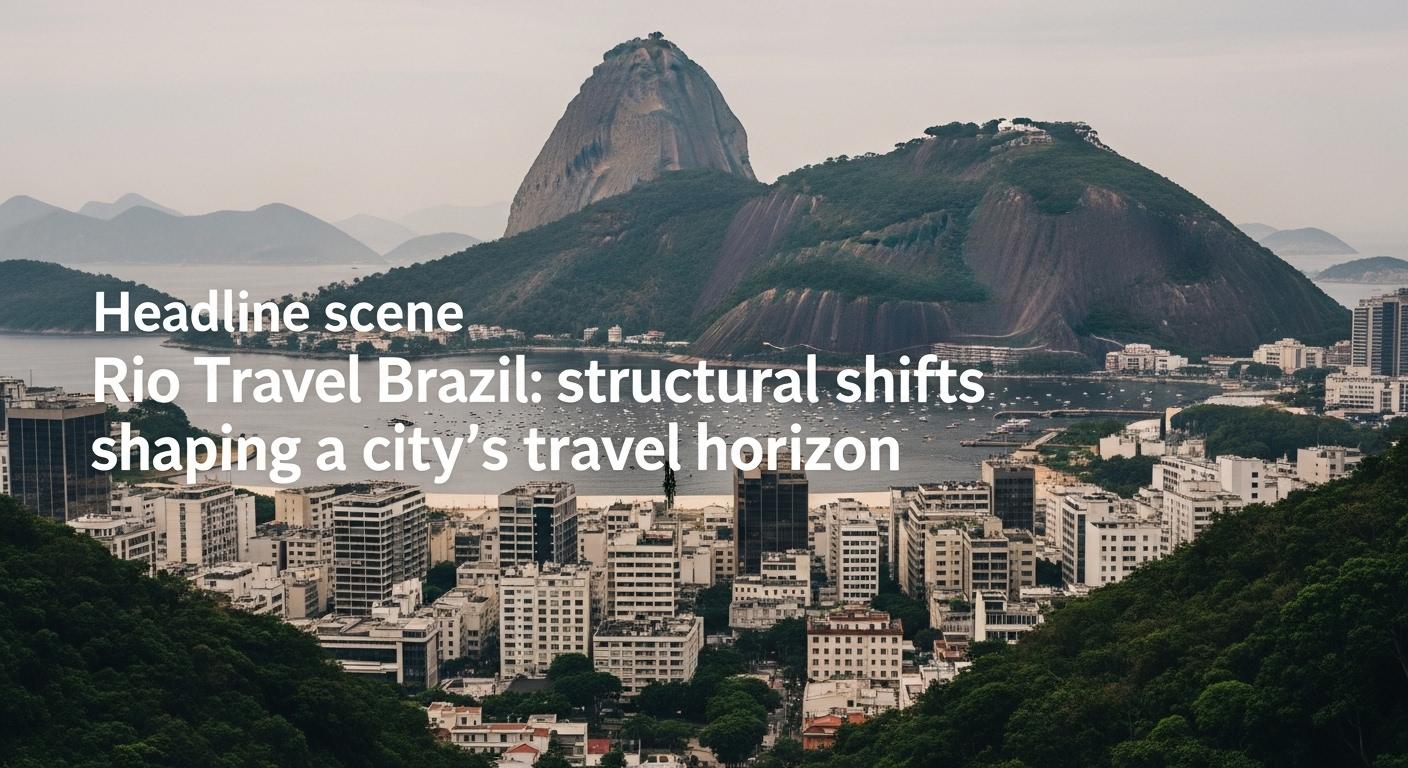
In Brazil, severe Travel Brazil disruptions are increasingly connected to seasonal storms, flooding, and shifting weather patterns that test the resilience of airports and regional routes alike. This analysis examines how meteorological volatility translates into real-world travel consequences, what it means for travelers and operators, and how the country’s tourism and business sectors can adapt to a future where severe weather is more common rather than exceptional.
Context: Weather Patterns Reshaping Brazilian Travel
Across Brazil, climate variability has started to shape the reliability of core travel corridors. Coastal storms and tropical systems in the northeast can spill into adjacent airspace, delaying regional flights that feed into larger hubs. In the southeast, heavy rainfalls and flooding disrupt ground transportation, interrupting connections to airports and port cities alike. While single events may appear episodic, the growing frequency and geographic reach of adverse weather create a pattern: delays cascade into missed connections, customers face longer wait times, and operators adjust schedules to preserve safety margins rather than convenience. Travelers increasingly contend with longer buffers between legs of a trip, with business itineraries particularly sensitive to any interruption that shifts a meeting or conference from a planned window to an extended timeline.
Forecasting in Brazil has improved, but the sheer scale of weather variability means that even with better predictive tools, the margin for surprise remains high. The country’s major gateways—São Paulo–Guarulhos (GRU), Belo Horizonte–Confins (CNF), Rio de Janeiro–Galeão (GIG), and others—act as hubs where interruptions reverberate through the network. The economic stakes matter: delays can erode productivity, escalate travel costs, and influence decisions about where to locate regional operations and meetings. In this environment, the question for travelers is not only about avoiding storms but about building resilience into itineraries through timing choices, route flexibility, and a clear understanding of each ticket’s risk profile.
Infrastructure and Preparedness Under Strain
Brazil’s aviation system has made progress in modernization, but weather-related disruptions continue to test the throughput of busy airports. When convective weather forms quickly over key corridors, runways, taxiways, and approach paths can become constrained, forcing ATC to sequence arrivals and departures with longer gaps. For carriers, that means tighter crew schedules, revised arrival estimates, and, in some cases, curtailment of peak-time operations. Ground conditions—visibility, lightning, and standing water—exacerbate these effects, particularly during the rainy season when regional routes rely on smaller aircraft that are less capable of absorbing delays without cascading into missed connections. The impact extends beyond the airport perimeter: ground transportation networks face congestion, hotels encounter occupancy shifts, and business travelers adjust their plans to accommodate the unpredictability of airtime guarantees.
On the policy and operational front, airport operators and airlines emphasize contingency planning: prioritizing safety, maintaining robust weather information channels, and adjusting service levels to preserve reliability over sheer speed. Investment in weather radar, satellite monitoring, and data-sharing platforms aims to shorten the lag between meteorological developments and operational responses. However, the real test remains in executing adaptive scheduling at scale during peak travel periods, when passenger volumes magnify any disruption’s ripple effects. In this context, the resilience of Brazil’s travel ecosystem depends as much on organizational agility as on physical infrastructure.
The Traveler’s Reality: Planning in a Climate with Uncertainty
For travelers, the practical implication is a shift from assuming a predictable journey to planning around a spectrum of possible outcomes. This includes selecting flexible fare types, prioritizing multi-leg itineraries with guaranteed layovers, and knowing the policy levers available for compensation or rebooking. For domestic business travelers, buffer days between flight clusters can translate into higher meeting success rates and reduced risk of last-minute venue changes. Leisure travelers, meanwhile, face a different calculus: the desire for affordable packages must be weighed against the probability of weather-induced changes that could affect seasonal access to popular destinations along the coast and interior regions. The best-informed travelers start with a schedule that embeds margin, chooses carriers with transparent disruption policies, and keeps alternative routes in view—whether that means different airports within the same metropolitan area, or a longer-haul option that preserves trip objectives should a leg be postponed or canceled.
Another dimension is understanding the trade-offs of airline alliance networks and code-share arrangements, which can provide alternatives that preserve continuity of travel when weather upends a planned path. Travelers who actively monitor weather advisories, subscribe to airline alerts, and maintain flexible lodging arrangements position themselves to navigate uncertainty with fewer financial shocks. In a country where weather variability is a growing feature of the travel landscape, the most durable trips are those designed with contingency as a core element rather than an afterthought.
Policy, Industry, and the Path Forward
Brazilian authorities and the aviation industry face a dual imperative: improve the precision of weather-driven disruption forecasting, and institutionalize more predictable response mechanisms when disruptions occur. This means expanding data-sharing between meteorological agencies and airlines, refining airspace management to accommodate sudden shifts in traffic, and ensuring that airports have scalable contingency plans for surge disruption periods. A broader policy conversation centers on climate adaptation in the travel sector, balancing growth in tourism and business travel with the need to maintain safety, reliability, and reasonable costs for travelers. The path forward likely involves coordinated investments in forecasting, flexible scheduling tools for airlines, and consumer-facing clarity about disruption policies. The long-term question is whether Brazil can transform weather volatility from a travel hurdle into an area where resilience becomes a competitive advantage for the country as a destination and as a place to conduct business travel.
Actionable Takeaways
- Choose itineraries with built-in buffer time between connections to absorb potential weather delays.
- Prefer airlines and fare types that offer clear disruption policies and favorable rebooking terms during volatile periods.
- Track meteorological updates for origin and destination regions and adjust plans early rather than waiting for alerts from carriers.
- Consider multi-airport options within the same city or region to retain flexibility in the event of a disruption at the primary hub.
- Invest in travel insurance that covers weather-related interruptions and includes trip interruption benefits.
- Plan accommodations and meetings with flexible cancellation options to minimize the cost of weather-driven changes.